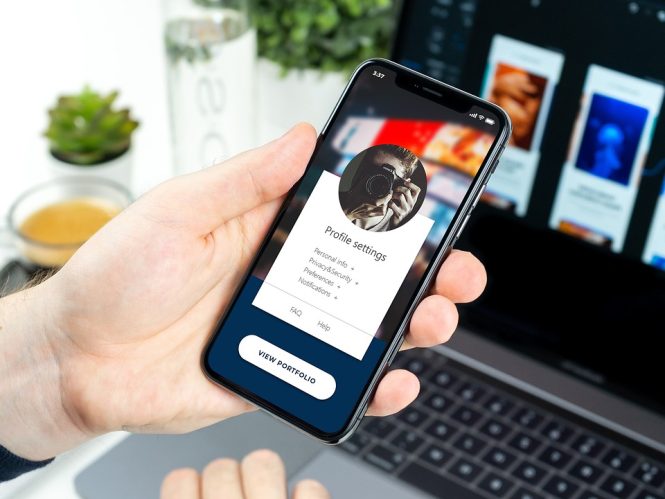
Revolutionizing User Experience: How AI is Changing UI Design
The world of user interface (UI) design is undergoing a significant transformation, thanks to the rapid advancements in artificial intelligence (AI). AI-powered tools and technologies are revolutionizing the way we design and interact with digital products, enabling the creation of more intuitive, personalized, and engaging user experiences. In this article, we’ll explore the impact of AI on UI design and how it’s changing the landscape of user experience.
AI-Driven Design: A New Era of UI
Traditional UI design relies heavily on human intuition, creativity, and manual iteration. However, with the integration of AI, designers can now leverage machine learning algorithms, natural language processing, and computer vision to create more efficient, data-driven design processes. AI-driven design enables the analysis of vast amounts of user data, allowing designers to identify patterns, preferences, and pain points that inform the design of more user-friendly interfaces.
Key Benefits of AI in UI Design
- Personalization: AI-powered UI design enables the creation of personalized experiences tailored to individual users’ needs, preferences, and behaviors.
- Predictive Analytics: AI-driven analytics help designers predict user behavior, identifying potential issues and areas for improvement before they become major problems.
- Automated Design: AI-powered tools can automate repetitive design tasks, freeing up designers to focus on high-level creative decisions.
- Accessibility: AI-driven design can help create more accessible interfaces, enabling users with disabilities to interact with digital products more easily.
- Continuous Improvement: AI-powered UI design enables continuous iteration and improvement, as machine learning algorithms can analyze user feedback and adapt the design accordingly.
AI-Powered Tools for UI Design
Several AI-powered tools are already making waves in the UI design community, including:
- Adobe Sensei: Adobe’s AI-powered design tool uses machine learning to analyze user behavior and provide personalized design recommendations.
- Google’s Material Design: Google’s design system uses AI-powered tools to create responsive, adaptive, and accessible interfaces.
- Microsoft’s Design Language: Microsoft’s design language uses AI-powered tools to create consistent, intuitive, and personalized experiences across platforms.
- Figma’s AI-Powered Design Assistant: Figma’s design assistant uses AI to analyze user behavior and provide design recommendations, automating repetitive tasks and enabling designers to focus on high-level creative decisions.
The Future of UI Design: Human-AI Collaboration
As AI continues to evolve and improve, we can expect to see even more innovative applications of AI in UI design. The future of UI design will likely involve human-AI collaboration, where designers work alongside AI-powered tools to create more intuitive, personalized, and engaging user experiences. By leveraging the strengths of both human creativity and AI-driven analysis, designers will be able to create digital products that are more user-friendly, accessible, and effective.
Conclusion
The integration of AI in UI design is revolutionizing the way we create and interact with digital products. By leveraging AI-powered tools and technologies, designers can create more personalized, intuitive, and engaging user experiences that adapt to individual users’ needs and preferences. As AI continues to evolve and improve, we can expect to see even more innovative applications of AI in UI design, enabling the creation of digital products that are more user-friendly, accessible, and effective.