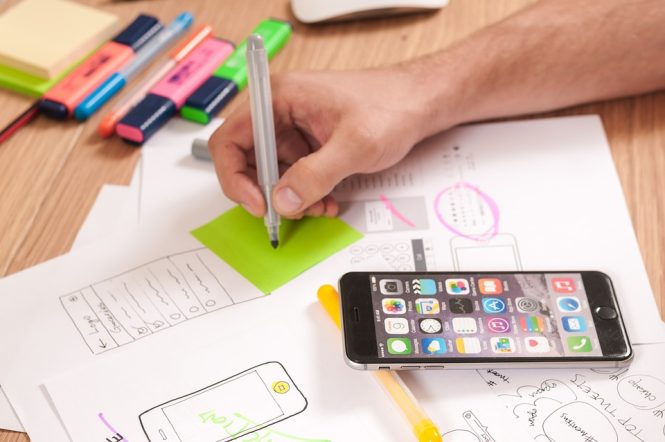
The world of user interface (UI) design has undergone significant transformations over the years, with various styles and trends emerging to shape the way we interact with digital products. From the early days of skeuomorphism to the current neumorphic design, the evolution of UI design has been a fascinating journey. In this article, we’ll explore the major milestones in UI design, the characteristics of each style, and what the future holds for this ever-changing field.
Skeuomorphism: The Dawn of UI Design (2007-2013)
Skeuomorphism, a term coined by design expert Jonathon Ive, refers to the design approach that incorporates elements from the physical world into digital interfaces. This style was popularized by Apple’s iOS and macOS operating systems, where digital elements were designed to resemble their real-world counterparts. For example, the iPhone’s notes app featured a leather-bound notebook design, complete with stitching and paper textures.
Skeuomorphism aimed to make digital products more relatable and intuitive for users. However, as technology advanced and users became more comfortable with digital interfaces, this style began to feel dated and cluttered. The excessive use of textures, shadows, and other visual effects made screens look busy and overwhelming.
Flat Design: A Minimalist Revolution (2013-2017)
As a response to skeuomorphism’s visual noise, flat design emerged as a breath of fresh air. This style, popularized by Microsoft’s Windows 8 and Google’s Material Design, introduced a minimalist approach to UI design. Flat design emphasized simplicity, clean lines, and a focus on content.
Characterized by the absence of textures, gradients, and other visual effects, flat design made digital products look modern, sleek, and easy to use. However, as with any trend, flat design eventually became stale, and designers began to seek new ways to add depth and visual interest to their creations.
Material Design: A Balance Between Form and Function (2014-Present)
Material Design, introduced by Google in 2014, aimed to strike a balance between the simplicity of flat design and the visual richness of skeuomorphism. This style introduced a set of guidelines for creating digital interfaces that were both intuitive and visually appealing.
Material Design’s key elements include the use of bold colors, typography, and subtle animations to create a sense of depth and hierarchy. This style has been widely adopted across various platforms and has had a lasting impact on the world of UI design.
Neumorphism: The Rise of a New Aesthetic (2020-Present)
Neumorphism, also known as “new skeuomorphism,” has emerged as a distinct style that blends the best of both worlds. This design approach combines the minimalism of flat design with the visual richness of skeuomorphism. Neumorphic design features soft, rounded shapes, subtle shadows, and a limited color palette to create a unique and captivating visual experience.
Neumorphism is not just about aesthetics; it’s also about creating a more intuitive and user-friendly experience. By incorporating subtle visual cues and animations, neumorphic design helps users navigate digital interfaces with ease.
What’s Next: The Future of UI Design
As we look to the future, it’s clear that UI design will continue to evolve in response to technological advancements, user needs, and cultural trends. Some emerging trends and technologies that may shape the future of UI design include:
- Augmented Reality (AR) and Virtual Reality (VR): As AR and VR technologies become more mainstream, UI design will need to adapt to create immersive, interactive, and three-dimensional experiences.
- Artificial Intelligence (AI) and Machine Learning (ML): AI-powered UI design will enable personalized, adaptive, and predictive experiences that learn and respond to user behavior.
- Accessibility and Inclusive Design: As the importance of accessibility and inclusive design grows, UI design will need to prioritize usability, simplicity, and clarity to ensure that digital products are accessible to everyone.
- Sustainable Design: With the increasing awareness of environmental and social issues, UI design may need to incorporate principles of sustainable design, such as minimizing digital waste, reducing energy consumption, and promoting eco-friendly behaviors.
In conclusion, the evolution of UI design has been a remarkable journey, from the skeuomorphic aesthetics of the past to the neumorphic design of today. As technology continues to advance and user needs evolve, UI design will need to adapt and innovate to create experiences that are both beautiful and functional. By embracing emerging trends and technologies, designers can shape the future of UI design and create digital products that are intuitive, engaging, and accessible to everyone.