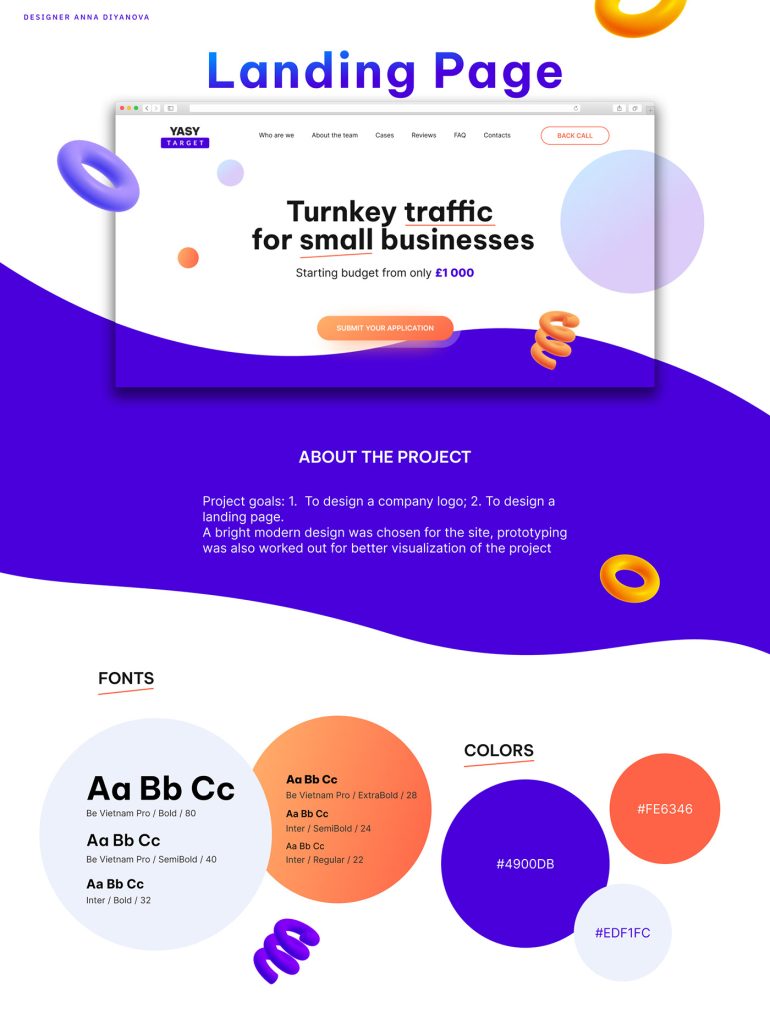
Designing landing pages for specific target audiences is a critical component of successful online marketing. By deeply understanding the needs and motivations of your target demographic, you can create landing pages that resonate profoundly with those audiences. This results in significant conversion boosts. This guide explores the multifaceted elements of this vital process. We’ll analyze the challenges, present actionable solutions, and equip you to craft landing pages that drive results. The structure of this article breaks down the key stages of designing for specific audiences, from meticulous audience analysis to implementing impactful design elements and refining your approach based on data. We’ll delve into creating compelling visuals, optimizing user journeys, and ultimately increasing your conversion rates.
Understanding Your Target Audience
Defining Target Audience Personas
To design effective landing pages, you need a thorough understanding of your target audience. This involves more than just demographics. Creating detailed personas—with names, motivations, and even fictional stories—will deeply connect you with their individual needs. Analyzing their frustrations, pain points, and aspirations helps tailor landing page content directly addressing their concerns. Imagine a software startup targeting small business owners. Their pain point might be a lack of time for complex administrative tasks. This information would inform the landing page design, focusing on simplified features and value propositions relevant to this persona. Understanding the target audience’s preferred devices (desktops, mobile phones, tablets) influences layout, navigation, and visual elements. Consider the user’s technical skills, familiarity with the brand, and anticipated level of engagement with the landing page content.
Crafting Compelling Value Propositions
Highlighting Key Benefits
Crafting a compelling value proposition is a cornerstone of a successful landing page. It should be concise and clearly communicate how your product or service addresses the user’s needs or solves their problems. Using strong and impactful language can help capture attention and communicate a powerful value proposition. For example, if you are targeting environmentally conscious consumers, highlight your product’s sustainable practices. Use relevant and strong action verbs in the value proposition to reflect a clear and urgent message. A compelling value proposition creates a sense of urgency and encourages immediate action. Include relevant testimonials or case studies to further support the value proposition and build trust with your audience.
Optimizing Landing Page Layout and Design
Creating a User-Friendly Experience
Designing a well-structured, visually appealing, and user-friendly landing page is vital. A clean layout facilitates clear navigation through the content, and strategically placed visuals enhance the overall experience. Use whitespace effectively. Clear call-to-action buttons are essential and should stand out visually. Think about the user journey and anticipate where they might have questions. Incorporate clear and concise messaging to guide users and minimize any cognitive friction. Ensure your landing page is optimized for mobile viewing. Research suggests that most consumers now access the web primarily on mobile devices. Testing and refining the mobile experience is crucial for reaching the widest possible audience. Consider utilizing heatmaps or other analytics tools to understand how users interact with the page.
The Importance of Keyword Strategy
Enhancing SEO and Targeting
A robust keyword strategy is crucial for driving targeted traffic to your landing pages. Researching relevant keywords helps understand the language used by your target audience when searching for solutions like yours. By incorporating these keywords naturally within the landing page copy, you’re signaling to search engines that the page addresses specific user needs. Optimize the page title, meta description, and image alt text with relevant keywords for better search engine optimization (SEO). Employing a robust keyword strategy will help you attract organic traffic. Consider long-tail keywords (longer, more specific phrases) for better targeting.
Related Post : Mobile-Optimized Landing Pages: Reaching Your Audience Everywhere.
Utilizing A/B Testing
Enhancing Conversion Rates
A/B testing allows you to compare different versions of a landing page to determine which performs better in terms of conversion rates. This is a cornerstone of continuous improvement. For example, testing different headline variations can pinpoint the most effective way to capture attention. Testing variations in calls-to-action, button colors, and even imagery can lead to significant improvements. A/B testing helps identify areas for improvement and optimize the overall design for better conversion rates. Implement A/B testing strategies to analyze user interactions and optimize the page for optimal performance. Use analytics tools to track metrics and inform your decisions.
Measuring Performance
Tracking Metrics
Tracking key metrics is essential for monitoring the performance of your landing pages and analyzing their effectiveness. Use analytical tools to monitor metrics including conversion rates, bounce rates, and time on page. This data helps understand user behavior and identify areas needing improvement. Regularly analyze the data to understand conversion patterns and user behavior. The insights gathered provide vital data to make informed decisions for further optimization and improvement. Implement tracking and monitoring strategies to help pinpoint areas of optimization to further improve the user experience.
Case Studies and Examples
Let’s delve into specific cases of landing page designs that cater to diverse target audiences. A travel website catering to luxury travelers might showcase high-quality imagery and focus on exclusive experiences. A blog aiming to attract fitness enthusiasts will emphasize inspirational stories and actionable tips. Analyzing real-world examples illuminates best practices and inspires more effective designs.
Mobile-First Design
Optimizing for Mobile Devices
Given that most users access the internet through mobile devices, mobile-first design principles are crucial. This means ensuring your landing page is responsive, adapting its layout and content to different screen sizes. Ensure that your page loads quickly on all devices, providing a seamless user experience. A mobile-first approach will ensure your landing pages are more easily accessible to a wider audience and potentially lead to a better conversion rate.
Iterative Design
Continuous Optimization
Building effective landing pages is an ongoing process, not a one-off event. To achieve the best results, design your landing pages with an iterative approach, continuously testing and improving based on data and user feedback. Landing page design that is mobile-friendly, responsive, easy to understand and use, and visually appealing will lead to improved user experience and increased conversion rates. Continuous improvement is key!
Landing Page Copywriting
Clear and Concise Language
Strong copywriting is paramount for a successful landing page. Focus on crafting a compelling narrative that resonates with your audience. Clearly articulate the value proposition and use concise language to avoid losing the attention of your visitors. Use persuasive language and call to action to encourage immediate action and increase your conversion rates.
In conclusion, designing landing pages for specific target audiences is crucial for maximizing conversion rates. By understanding your target audience’s needs, motivations, and pain points, you can create a landing page experience that resonates with them and compels them to take action. Remember to continuously test and optimize your landing pages, using data to inform design decisions and improve user experience. To get started with creating effective landing pages, consider these actionable steps: 1. Define your target audience; 2. Conduct thorough keyword research to understand their language and needs; 3. Design a user-friendly and visually appealing landing page that meets your target audience’s needs; 4. Continuously test and optimize your landing page design. Ready to launch a high-converting landing page? Let’s discuss your specific needs today!


