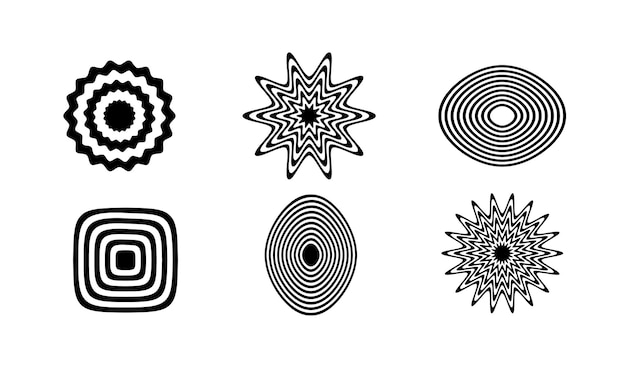
Abstract and geometric shapes are experiencing a surge in popularity as a trend in graphic design, pushing creativity to the next level. These shapes offer a unique visual language, capable of conveying ideas and emotions with impactful imagery, creating an instant connection with audiences. Abstract shapes often challenge preconceived notions of traditional design elements, while geometric shapes provide a structured yet dynamic aesthetic, making them a popular choice for modern designers. Many designers grapple with finding fresh ideas to keep their work innovative, and understanding the application of abstract and geometric elements is key to developing an effective design language. This article will explore various applications, examples, and best practices for incorporating abstract and geometric shapes into your designs. It will also delve into current trends, and provide actionable steps to harness their full potential and set your designs apart.
Understanding the Essence of Abstract and Geometric Shapes
Defining the Concepts
Abstract shapes, by nature, do not represent recognizable objects. They evoke emotions and feelings rather than depicting specific forms. Geometric shapes, on the other hand, rely on precise mathematical principles and structured forms like circles, squares, triangles, and so on. The combination of these elements often creates a visual harmony that is unique and engaging. It’s important to note that abstract design often plays a more important role in conveying the emotional response of the design. Geometric design is more visually-driven.
Exploring the Evolution of Abstract and Geometric Shapes in Design
These forms have a rich history in various fields. In visual arts, both geometric and abstract forms have been prevalent for decades, influencing artists and designers worldwide. Abstract forms can be used as powerful communication elements. Over time, these forms have evolved from simple visual elements to highly complex and multifaceted components. Modern graphic designers utilize them to convey brand identities and values. From logos to website layouts, abstract and geometric shapes have become integral to contemporary aesthetics.
Identifying the Core Principles
Understanding the fundamentals behind abstract and geometric designs is paramount to their effective application. Some key principles include symmetry, proportion, scale, color theory, contrast, and negative space. The careful consideration of these principles can elevate your design to a completely new level.
The Role of Abstract and Geometric Shapes in Modern Design
Trends and Influences
Abstract and geometric shapes are at the forefront of modern design trends. They are used to create a sense of minimalism, dynamism, and visual appeal. Several factors have influenced the modern adoption of these shapes, such as the increased focus on visual aesthetics and the rise of digital design tools. This trend demonstrates the power of visual communication. The use of these elements also ties into contemporary approaches to graphic design, making abstract and geometric shapes a key part of recent design evolution.
Practical Applications
These shapes are widely used in various design fields, including logos, website design, social media graphics, and marketing materials. Consider the use of these elements on business cards. The versatility of these shapes allows designers to experiment with different combinations, colors, and patterns. The ability of abstract elements to evoke specific emotions are a useful design tool.
Case Studies
Numerous brands leverage these shapes effectively to establish their brand identity. Take, for instance, the minimalist logo of brand X, which employs bold geometric shapes to convey a modern, edgy identity. This is just one example of how these shapes are used to establish a brand.
Creating Impactful Visual Communication
Using Shapes to Tell Stories
Abstract and geometric shapes can be powerful storytelling tools. By manipulating the shape’s color, size, and placement, designers can evoke specific emotions or convey particular messages. This ability has significant implications for the creative process. The visual cues are often more effective than written text in certain design contexts.
The Importance of Color Harmony
The interplay of colors is vital in creating a visually appealing and impactful design. The choice of colors should complement the abstract and geometric shapes to create a cohesive and harmonious aesthetic. For example, combining warm colors with cool colors can create an interesting contrast. The use of bold and contrasting colors can communicate dynamism and excitement.
Designing with Purpose
Every design decision should serve a purpose. Careful consideration should be given to the message being conveyed and the intended audience. The arrangement of abstract or geometric shapes should contribute to the overall message, creating a cohesive and harmonious piece. This contributes to a more visually appealing experience.
Beyond the Basics
Exploring Advanced Techniques
Advanced techniques, such as negative space, symmetry, and composition, are essential in effective design. Through strategic use of negative space, designers can create visually interesting and eye-catching elements. The use of symmetry contributes to visual harmony and balance. By using advanced techniques, designers can unlock the full potential of these shapes.
Typography Integration
The integration of typography is crucial in creating a harmonious design. The typeface, font size, and color should complement the abstract and geometric shapes. Typography is a key element of successful design and requires careful consideration.
The Role of Contrast
Using a high degree of contrast in color or form can draw attention to certain elements. This is a common technique in graphic design. Strategic use of contrast can make the design even more impactful. Creating effective designs with abstract shapes often involves careful consideration.
Related Post : Micro-Animations Enhancing User Experience in Website Interactions.
Effective Design Strategies
Creating a Cohesive Brand Identity
By using abstract and geometric shapes consistently, designers can create a strong and recognizable brand identity. These shapes can be used to develop logos, marketing materials, and website elements. Consistent use of shapes can convey a strong brand message. Using shapes correctly will help in establishing a particular identity for the brand.
Creating Memorable Experiences
These shapes help create unique and memorable experiences. By integrating them into your designs, you can communicate your message efficiently and effectively. This contributes to a positive user experience.
Utilizing Tools for Design
Numerous design tools are available for creating abstract and geometric designs, including vector graphics editors, drawing software, and online design platforms. These tools make the design process easier and more effective.
In conclusion, abstract and geometric shapes are revolutionizing graphic design, offering a fresh perspective and visual dynamism. Their versatility allows designers to create impactful and memorable experiences. By understanding the principles of abstraction and geometry, designers can effectively communicate messages and evoke emotions. Explore the latest trends in graphic design using these elements, to capture a larger audience. Dive into the world of geometric and abstract shapes, elevate your design skills, and unlock the full potential of visual communication. To stay updated on the latest design trends, regularly check our website for further insights and exclusive tutorials.