Managing user authentication and authorization is critical for the security and reliability of any virtual web application. A robust authentication and authorization strategy safeguards sensitive user data, prevents unauthorized access, and maintains the overall integrity of the system. This comprehensive guide will delve into the essential aspects of managing user authentication and authorization in virtual web applications, focusing on common pitfalls to avoid, and provide actionable strategies to enhance security. We’ll cover secure protocols, role-based access control, and security testing to ensure your applications are secure and reliable. This article is structured to provide practical insights and examples throughout different sections. We will begin with an overview of fundamental concepts and gradually explore more advanced techniques to secure your application from various threats.
Understanding the Fundamentals of Authentication and Authorization
Defining Authentication and Authorization
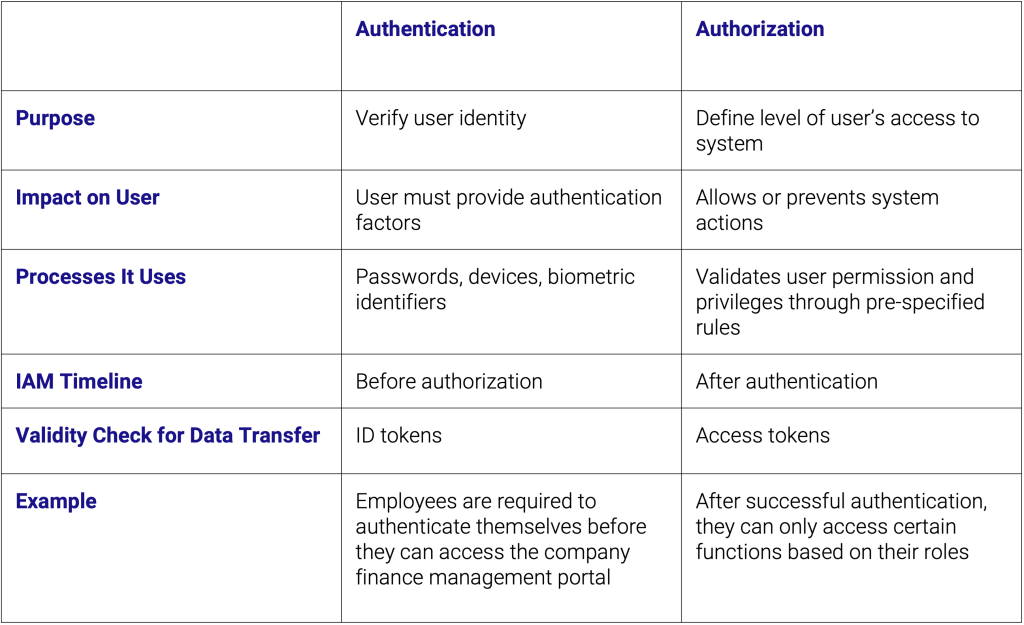
Authentication verifies the identity of a user, typically by asking for credentials like usernames and passwords. This ensures only legitimate users gain access. Authorization, on the other hand, determines what actions a user is permitted to perform after authentication. It grants specific privileges based on predefined roles and permissions. These processes are critical for maintaining the security and integrity of virtual web applications. A strong authentication system stops unauthorized users, while a solid authorization system stops legitimate users from performing actions they should not. This combination of strong authentication and authorization is paramount.
Key Considerations for Virtual Web Applications
Virtual web applications introduce unique challenges in managing authentication and authorization compared to traditional applications. The distributed nature of virtual environments, coupled with the potential for multiple users and devices accessing the application, necessitates sophisticated security measures. Consider the user experience when designing the system, as well as the security requirements.
Common Authentication Mechanisms
Various authentication mechanisms exist, each with its own trade-offs. Simple password-based systems are common, but they can be vulnerable to password cracking. Multi-factor authentication (MFA) adds an extra layer of security by requiring multiple verification steps. Biometric authentication uses unique biological characteristics for identification. Choose a method that aligns with the security needs of your application, given the potential risk, and the level of security required.
Related Post : Virtual Web Design Security Concerns: Addressing Back-End Vulnerabilities Effectively.
Common Pitfalls and Security Risks
Weak Password Policies
Implementing weak password policies is one of the most common pitfalls in authentication. Without robust password policies, users can easily be compromised. These policies should include minimum length requirements, complexity rules, and regular password updates. Encourage users to create strong passwords by utilizing tools that help create complex passwords that are difficult for hackers to break.
Insufficient Authorization
Insufficient authorization can lead to severe security vulnerabilities. Ensure that only authorized users can access specific resources. A role-based access control (RBAC) system can be beneficial to ensure that only those with the proper permissions can view or change data.
Ignoring Security Testing
Ignoring security testing is a serious oversight that can expose critical vulnerabilities in authentication and authorization systems. Penetration testing and vulnerability assessments are crucial for identifying and remediating weaknesses. Security audits are a critical component of a security testing strategy.
Secure Authentication Protocols
HTTPS and TLS/SSL
Using HTTPS with TLS/SSL is essential for encrypting communication between users and the application. This prevents eavesdropping and protects sensitive data during transmission. By encrypting data, you can significantly reduce the risk of cyberattacks. HTTPS encrypts all communication between users and the server, making it extremely difficult for attackers to intercept sensitive data.
OAuth 2.0 and OpenID Connect
OAuth 2.0 and OpenID Connect are standardized protocols that enable secure authentication and authorization without requiring users to manage complex passwords for each application. These protocols leverage third-party identity providers, providing a more convenient and secure user experience. By leveraging third-party identity providers, the system reduces the risk of security breaches.
JWT (JSON Web Tokens)
JWTs are self-contained, secure tokens that carry user identity and permissions. They provide a lightweight and efficient way to transmit authentication information between different parts of an application. These tokens can enhance the efficiency of your application.
Implementing Role-Based Access Control (RBAC)
Defining Roles and Permissions
RBAC allows administrators to define roles with specific permissions to access resources. This granular control enhances security by restricting user actions based on their roles. For example, an administrator role might have full access, while an editor role might have limited access to certain data.
Managing Role Assignments
Careful management of role assignments is vital to maintain control over user access. Automate assignment processes to minimize errors and ensure accurate authorization. Role assignment processes should be clear and easy to manage for administrators.
Dynamic Role Assignment
Dynamic role assignment allows roles to adapt to changes in user status or organizational structure. This provides flexibility and ensures security remains up to date.
Security Testing and Auditing
Penetration Testing
Penetration testing simulates real-world attacks to identify vulnerabilities in authentication and authorization mechanisms. Identify potential threats early to mitigate their impact and ensure the system is as secure as possible.
Regular Audits
Regular security audits are essential to identify and remediate security vulnerabilities. Audits can be automated to minimize manual effort. Continuous monitoring and evaluation of the system are crucial for maintaining system security.
Vulnerability Assessments
Regular vulnerability assessments can help you proactively identify and address security flaws in your application. Proactive measures help to proactively reduce the risk of security breaches.
Advanced Authentication Techniques
Multi-Factor Authentication (MFA)
Implementing MFA adds an extra layer of security by requiring multiple verification steps. This can include something you know (password), something you have (token), or something you are (biometric data). MFA helps prevent unauthorized access by requiring more than one form of verification. This is important to prevent unauthorized access by multiple potential sources.
API Security
When dealing with APIs, consider using API keys or tokens to protect access. These methods should be regularly rotated to prevent long-term exposure and vulnerability. These tokens provide additional security to the overall system, making it more robust against cyberattacks.
Secure Session Management
Proper session management is crucial. Implement timeouts and secure ways to invalidate sessions to protect against session hijacking attacks. These processes help ensure the security of the session, and prevent potential vulnerabilities.
Best Practices for Virtual Web Applications
Regular Security Updates
Keeping software up-to-date is essential to address security vulnerabilities. Regular security updates prevent exploitation by vulnerabilities. Updates are necessary for the overall stability and security of the system.
Monitoring and Logging
Implement robust monitoring and logging systems to detect anomalies and suspicious activities in real-time. This can be critical for identifying and addressing potential security breaches. Early detection is crucial for minimizing damage and maintaining the security of the application.
Incident Response Plan
Develop and regularly test an incident response plan to address security incidents effectively. This includes steps for identifying, containing, and recovering from security breaches. An incident response plan helps organizations to be well-prepared for any type of security incident.
In conclusion, managing user authentication and authorization in virtual web applications requires a robust strategy encompassing secure protocols, role-based access control, and rigorous security testing. By understanding the common pitfalls and implementing appropriate safeguards, developers can create secure and reliable virtual web applications that protect user data and maintain the integrity of the system. Explore our comprehensive guide to enhancing your virtual web application security today!


