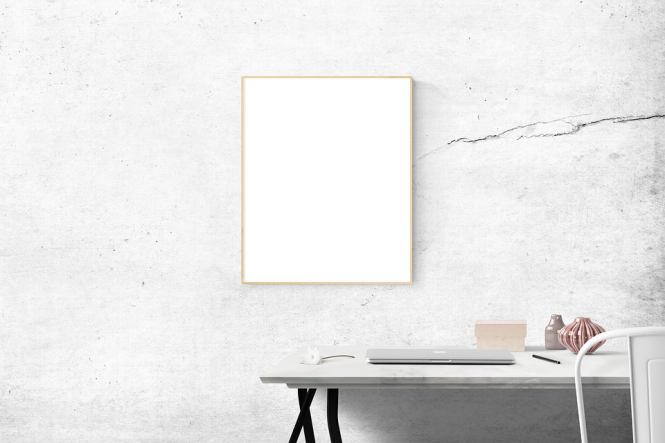
Less is More: The Power of Minimalist Portfolio Design
In today’s digital age, a well-crafted portfolio is essential for creatives, designers, and artists to showcase their work and attract potential clients. However, with the overwhelming amount of information and visual stimuli available online, it’s easy to get lost in the noise. This is where minimalist portfolio design comes in – a design approach that embraces simplicity, clarity, and restraint. In this article, we’ll explore the power of minimalist portfolio design and why “less is more” is a winning strategy.
The Benefits of Minimalism
Minimalist design is not just a visual aesthetic; it’s a philosophy that values simplicity, functionality, and ease of use. By stripping away unnecessary elements, minimalism creates a clean and focused visual landscape that allows the viewer’s attention to be drawn to the most important aspects of the portfolio. The benefits of minimalist portfolio design include:
- Improved navigation: With a minimalistic approach, it’s easier to guide the viewer through the portfolio, highlighting the most significant and relevant work.
- Enhanced visual hierarchy: By using plenty of white space and a limited color palette, minimalist design creates a clear visual hierarchy, making it easier to distinguish between different elements and prioritize content.
- Increased focus on content: By removing distractions, minimalist design puts the focus squarely on the content, allowing the viewer to appreciate the quality and craftsmanship of the work.
Key Principles of Minimalist Portfolio Design
So, what are the key principles of minimalist portfolio design? Here are some guidelines to keep in mind:
- Use plenty of white space: White space, also known as negative space, is essential in minimalist design. It helps to create a clean and uncluttered visual environment, making it easier to focus on the content.
- Limit your color palette: A restricted color palette helps to create a cohesive visual identity and reduces visual noise. Stick to 2-3 core colors and use them consistently throughout the portfolio.
- Choose typography wisely: Typography plays a crucial role in minimalist design. Choose a limited number of font styles and sizes, and use them consistently to create a clear visual hierarchy.
- Focus on high-quality images: In minimalist design, images take center stage. Use high-quality images that are large enough to make an impact, but not so large that they overwhelm the viewer.
Examples of Effective Minimalist Portfolio Design
So, what does effective minimalist portfolio design look like? Here are a few examples:
- Simple navigation: The portfolio of designer and artist, Jessica Hische, features a simple navigation menu that allows the viewer to easily browse through her work.
- Limited color palette: The portfolio of graphic designer, David Airey, uses a restricted color palette to create a cohesive visual identity and reduce visual noise.
- High-quality images: The portfolio of photographer, Annie Leibovitz, features large, high-quality images that take center stage, with minimal text and no distractions.
Conclusion
In conclusion, minimalist portfolio design is a powerful approach that can help creatives, designers, and artists showcase their work in a clear, concise, and compelling way. By embracing simplicity, clarity, and restraint, minimalist design creates a clean and focused visual landscape that allows the viewer’s attention to be drawn to the most important aspects of the portfolio. Remember, less is often more, and by stripping away unnecessary elements, you can create a portfolio that truly showcases your talents and attracts potential clients. So, next time you’re designing your portfolio, consider the power of minimalist design and let your work speak for itself.