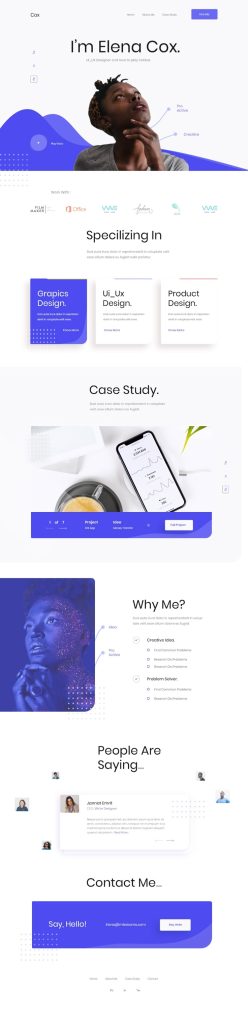
Keeping your web design portfolio updated and relevant is crucial in today’s competitive design landscape. It’s not enough to just create amazing designs; you need a compelling portfolio that showcases your skills and experience to prospective clients effectively. A well-maintained portfolio serves as a digital storefront, highlighting your talent and attracting clients who align with your style. This article delves into strategies to maintain a dynamic portfolio that stays relevant and drives success. We’ll explore crucial aspects, including project selection, presentation techniques, and staying current with design trends. The structure of this article will guide you through these elements, ensuring you understand how to create a portfolio that’s not just visually appealing, but actively works to gain client interest and secure project opportunities.
The Importance of a Dynamic Portfolio
Understanding the Role of a Portfolio in Client Acquisition
Having a captivating web design portfolio is no longer a luxury, but a necessity. It’s your digital storefront, showcasing your skills and unique design approach. A professional portfolio effectively demonstrates your strengths, presenting your best work in a clear and engaging format. It acts as a tangible representation of your capabilities, communicating your design aesthetic and problem-solving abilities to potential clients. The aim is to craft a portfolio that not only visually captivates but also communicates your value proposition clearly and effectively.
Recognizing the Impact of a Static Portfolio
Related Post : Including Testimonials and Social Proof in Your Design Portfolio.
Maintaining a static portfolio can have a detrimental impact on your ability to attract new clients. Design trends evolve at a rapid pace; techniques, technologies, and aesthetic preferences change frequently. A portfolio that hasn’t been updated in a while may appear outdated, reflecting a lack of dynamism and creativity. This, in turn, may hinder your ability to connect with clients seeking fresh, contemporary design solutions.
Demonstrating Continuous Learning and Growth
Moreover, an updated portfolio signifies your dedication to continuous learning and growth within the field. Regular updates and the inclusion of new projects underscore your commitment to staying current with industry trends and innovative design solutions. This is often an important aspect for clients who seek a collaborator that understands evolving techniques, values innovation, and embodies a spirit of continuous development.
Curating Relevant Projects
Identifying the Most Impressive Projects to Highlight
Strategic project selection is key to showcasing your expertise and creating a compelling narrative about your design style and approach. Choosing projects that align with the kind of work you wish to pursue is essential. Clients are more likely to engage with a portfolio that resonates with their specific needs and preferences. Careful project selection is crucial in making a lasting impact on clients.
Ensuring a Clear Alignment With Client Needs
Carefully consider the projects you choose to include, ensuring that they represent your range of expertise and align with the type of work you aim to attract. This alignment between your portfolio and client needs is vital for successful project acquisition. By highlighting projects that demonstrate your ability to meet the specific requirements of potential clients, you enhance your chances of landing more projects. Consider filtering projects based on the target clients you’re trying to engage.
Balancing Portfolio Variety and Focus
Maintaining a balance between variety and focus is crucial. While presenting a comprehensive range of skills and projects is important, avoid including unrelated work that dilutes your overall message. A curated portfolio focuses your audience on your core capabilities, strengthening the impact of your presented work.
Staying Updated with Design Trends
The Importance of Understanding Design Trends
To keep your portfolio relevant, you need to stay abreast of current design trends. Continuously monitoring design trends empowers you to adapt your design approach, incorporate emerging technologies, and remain innovative. Understanding and integrating new design trends makes your portfolio fresh and compelling for potential clients.
Integrating Modern Design Elements
Demonstrating familiarity with recent design trends, such as minimalism, user-centric design, and responsiveness, will present a contemporary approach. This signifies your ability to create relevant designs that resonate with modern audiences and solve their problems effectively.
Refining Visual Presentation
Regularly review and refine your visual presentations in alignment with current trends. This showcases your commitment to adapting and staying current. Implementing fresh visuals will keep your portfolio modern and impactful, allowing your design skills to shine.
Effective Presentation Techniques
Creating Compelling Visuals for Your Projects
Presentation is critical in conveying the value of your work. Ensure high-quality visuals, clear project descriptions, and compelling visuals that showcase the best aspects of your projects. Use high-resolution images, captivating animations, and intuitive design elements. Focus on creating designs that are both beautiful and functional to showcase your comprehensive design prowess.
Writing Engaging Project Descriptions
Include succinct and engaging descriptions of each project. Highlight the problem you solved, the process you followed, the technology used, and the key results achieved. Use strong verbs and action-oriented language in your descriptions; for instance, mention the impact, innovation, or design features to describe your designs accurately and persuasively.
Utilizing Design Templates or Tools
Implementing effective design templates or tools, such as Behance or Dribbble, can streamline your workflow and enhance your portfolio’s visual appeal. Maintain consistency in your brand and overall design to create a cohesive message.
Maintaining a Consistent Brand Identity
Establishing a Recognizable Visual Style
Building a distinctive and recognizable visual style for your brand is paramount. Consistently presenting projects in a unique way creates a consistent message to the viewer. This consistency fosters a recognizable brand identity, enhancing your professional image and establishing you as a valuable design asset.
Maintaining Brand Consistency Across Platforms
Extend this consistency across all online platforms, ensuring a cohesive visual experience for your audience. Maintain consistency across your portfolio, social media profiles, and personal website. Consistency reinforces your brand identity and establishes credibility.
Refining Your Portfolio to Reflect Your Brand
Periodically review and refine your portfolio to ensure that it accurately reflects your evolving brand identity and style. Ensure consistency across all your projects to solidify your brand image and showcase your value proposition.
In conclusion, maintaining a compelling and updated web design portfolio is paramount for success in the competitive design landscape. By consistently incorporating fresh projects, showcasing your skills effectively, and staying abreast of design trends, you can enhance your online presence and attract more clients. To continue refining your portfolio, consider regularly reviewing and updating your projects, incorporating feedback, and staying current with design trends. This will not only keep your portfolio fresh and engaging but also demonstrate your dedication and commitment to continuous learning and growth in the field. Explore platforms like Behance, Dribbble, or personal websites to elevate your professional online presence.


