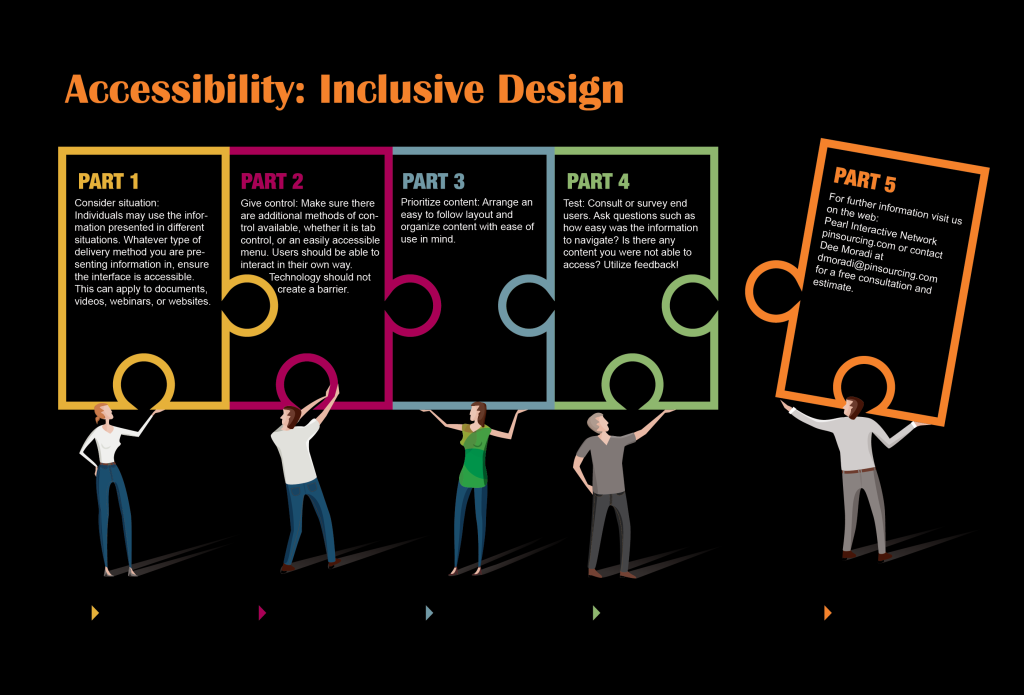
Inclusive design practices are gaining significant traction in web accessibility, paving the way for more user-friendly and equitable digital experiences. This approach recognizes the importance of designing websites and applications that cater to a broad range of users with varying abilities and needs. It’s about creating a web where everyone feels welcome, included, and empowered to navigate the digital world with ease. Many websites, unfortunately, still fall short of meeting the needs of diverse users, leading to frustration and exclusion. The core problem is often a lack of understanding of user needs and the implementation of effective accessibility guidelines. This article will provide a comprehensive overview of inclusive design practices, addressing this problem and offering concrete strategies to make websites more accessible. We’ll explore several key areas including user research, design principles, and the importance of ongoing testing and iteration. We’ll also showcase practical examples of successful inclusive design implementations, highlighting effective strategies and practical tools to improve inclusivity.
Understanding Inclusive Design
The Foundation of User-Centered Design
Inclusive design is fundamentally about understanding and considering the diversity of user needs and abilities. It moves beyond simply complying with accessibility standards to genuinely centering user needs in the design process. This philosophy necessitates a deep understanding of the potential needs of users, beyond simply meeting the demands of some users. Designing with a range of abilities in mind from the outset can prevent issues later on. We must embrace the principle that accessibility isn’t an afterthought; it’s an integral part of the design process, ensuring all users can interact with a digital product or service. Successful user-centered design results in websites that are not only usable but also enjoyable for everyone.
Implementing Inclusive Design Principles
Prioritizing User Research
Inclusive design relies heavily on thorough user research to understand the diverse needs of target audiences. Conducting user testing with diverse user groups, including individuals with disabilities, is critical. This data informs the design process, ensuring that the website or application caters to the real-world experiences of various user groups. Analyzing the needs of different demographics using user research and data can help develop a comprehensive understanding of usability issues and identify solutions tailored to the varied needs of your users. Tools like questionnaires, interviews, and usability testing provide crucial insights.
Leveraging Accessibility Guidelines
WCAG Compliance and Best Practices
Adhering to established accessibility guidelines, such as the Web Content Accessibility Guidelines (WCAG), is paramount. This set of guidelines provides a structured approach to making websites accessible to people with a wide array of disabilities. By following the established WCAG standards, developers and designers can be more certain about accessibility. From the color contrast ratios to keyboard navigation, the WCAG provides detailed instructions and examples. Developers can use these detailed instructions to ensure a website will be usable for a wider range of users, and that content can be easily read by assistive technologies.
Designing for Various User Needs
Considering Diverse Learning Styles
Inclusive design extends beyond just physical disabilities to encompass diverse learning styles and cognitive abilities. Design choices, such as clear, concise language, should ensure readability and comprehension for all users. The use of sufficient spacing and visual hierarchy is crucial for visual clarity and ease of use for users with different visual impairments. This involves employing clear and consistent formatting, providing alt text for images, and structuring the content in a way that’s accessible to a range of learners. The goal is to improve the user experience for all users, and inclusive design is the key.
Related Post : The Rise of Asymmetrical Layouts in Modern Web Design Interfaces.
Testing and Iterating for Continuous Improvement
User Feedback and Refinement
Regular user testing and feedback collection are critical components of inclusive design. This iterative approach allows for continuous improvement based on actual user experiences. Gathering feedback from various user groups, including those with disabilities, provides invaluable insights. Developers can identify areas for improvement and refine their design to be more inclusive and user-friendly. This is not a one-time process; inclusion should be built into every step of the development.
Case Studies in Inclusive Design
Practical Examples of Success
Many companies have successfully implemented inclusive design principles. For example, [insert example 1], showcasing the positive impact of inclusive design on user engagement and brand perception. They prioritized user needs, which was reflected in their accessibility standards and in feedback collection. In [insert example 2] inclusive design resulted in a significant increase in website traffic from users with disabilities, demonstrating the potential for inclusive design to broaden reach. This case study underscores the positive impact of inclusive design on both user experience and business outcomes. By understanding and incorporating various inclusive design principles, website designers and developers can create a more user-friendly and accessible online environment.
Future Trends in Inclusive Web Design
Staying Ahead of the Curve
The landscape of inclusive design is constantly evolving. Emerging technologies like AI and advanced assistive technologies are reshaping the way we interact with the digital world, creating new opportunities for more inclusive designs. Adapting to these trends and innovations will be critical for maintaining a high level of inclusivity. By anticipating future needs and focusing on constant innovation, inclusive web design can be adapted to evolving technologies. With these considerations, inclusivity becomes a proactive aspect, not a reactive one.
Conclusion
FAQ
What are the key benefits of using inclusive design practices?
Using inclusive design practices brings a significant number of benefits, including a wider range of users, improved user experience, increased accessibility for users with disabilities, and greater brand reputation. This strategy creates a positive image and ensures that the brand is reaching a much wider audience, increasing your reach and brand recognition. Implementing these practices is more than just a good deed; it is ultimately beneficial to the company’s success and longevity. A more inclusive website can attract customers from diverse backgrounds and boost brand perception, ultimately benefiting the company’s bottom line. Ultimately, inclusive design practices lead to a better user experience for everyone and enhance your brand’s reputation in the digital world. It demonstrates a company’s commitment to social responsibility and promotes a more equitable and accessible digital environment.
What specific steps should developers take to implement inclusive design in their workflow?
To implement inclusive design in their workflow, developers should begin by conducting thorough user research. Understanding the needs and challenges faced by various user groups is paramount. Following established accessibility guidelines, such as WCAG, is also essential. Regular user testing and feedback collection are key for identifying and fixing usability issues early in the development process. Design choices should prioritize clear and concise language, and the use of alt text, and consistent formatting should also be maintained to ensure that the content is readily accessible by users of various capabilities. These practices ensure that the design choices are appropriate and create an accessible and more friendly environment for a wider audience. Developers should view accessibility as an ongoing process rather than a one-time task. This approach ensures that the website consistently caters to a diverse range of users, leading to higher user satisfaction and accessibility in the long run.
How can companies measure the success of their inclusive design efforts?
Companies can measure the success of their inclusive design efforts by monitoring key metrics such as user engagement, website usage patterns, and user feedback data, which may include usability testing. Analyzing these metrics provides insights into how effective their strategies have been in addressing user needs and improving accessibility. Collecting feedback on the design process itself can be very valuable for developers to improve their methods. This ongoing data collection will allow companies to pinpoint where they need to improve and how effective their measures have been, identifying potential issues early on in the development process. Measuring the success and impact of inclusive design can show whether the design is effectively addressing users’ needs and contributing to a wider range of abilities. Ultimately, it demonstrates that a focus on inclusivity positively impacts the website, enhancing user experience and brand image.
In conclusion, embracing inclusive design principles is no longer a trend, but a necessity for creating truly accessible and equitable web experiences. By prioritizing user needs, utilizing various inclusive design practices, and staying updated with emerging accessibility guidelines, developers can ensure that their websites cater to a diverse audience. This involves ongoing learning and adaptation, with a commitment to continuous improvement. We encourage everyone to explore these practices, start small and scale your efforts. A more accessible digital world is a more inclusive one. Let’s all strive towards a web that truly reflects the diversity of its users.


