API integration headaches in virtual web projects are a common hurdle for developers. These issues can significantly impact project timelines and budgets, especially in the dynamic world of virtual web projects. This article dives deep into understanding these problems and offers practical solutions to achieve seamless connectivity. This comprehensive guide will outline the typical challenges encountered during API integration, providing actionable strategies to tackle each one head-on. We’ll explore how crucial considerations like security, scalability, and performance optimization are vital to the success of virtual web projects. Let’s embark on a journey to troubleshoot your API integration roadblocks and unlock the potential of your virtual web development projects. We will explore solutions, using real-world examples, to illustrate best practices in the field, along with suggestions for mitigating risk, ensuring security, and enhancing scalability. We’ll also touch upon the importance of proactive planning and clear communication within teams to avoid common pitfalls. This article will be divided into sections tackling each potential challenge, offering insights and examples.
Understanding API Integration Challenges in Virtual Web Projects
Defining API Integration in Virtual Projects
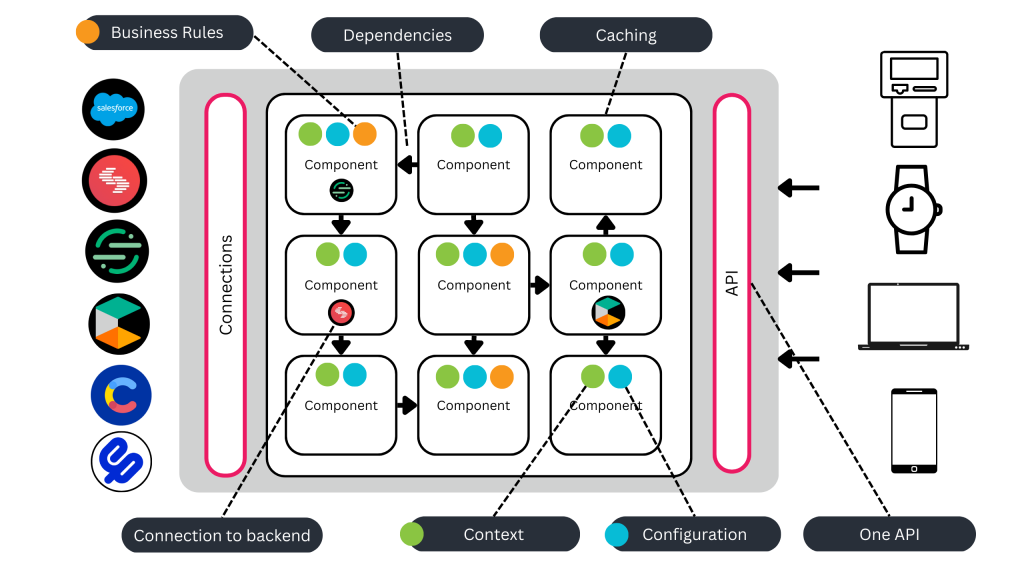
API integration in virtual web projects involves connecting different software components through Application Programming Interfaces (APIs). This allows data exchange and functionality between systems, enabling virtual web applications to work in concert. APIs are essentially the messengers that enable different parts of the system to communicate and share data seamlessly. A robust API integration strategy lays the foundation for a smooth user experience, but poorly-designed or implemented integration can lead to significant roadblocks in virtual web projects.
Common Problems in Virtual Web API Integrations
One frequent challenge revolves around the different formats of data exchanged between systems. Mismatches in data structures, incompatible protocols, or incorrect data handling can create significant difficulties, halting the project forward momentum. Another key issue is the lack of clear documentation or poorly maintained documentation, which leads to developers spending valuable time trying to figure out how the API works. Unforeseen errors or inconsistencies in the API responses can significantly impact development time. Testing API integration becomes essential for verifying that all functionalities work as expected. Effective testing can save time and prevent costly mistakes down the road. Insufficient testing often results in missed functionality or unexpected behaviors within the application.
Security Concerns in API Integrations
Related Post : Virtual Web Design Security Concerns: Addressing Back-End Vulnerabilities Effectively.
Ensuring Data Integrity During Transmission
API security is paramount in virtual web projects, where data breaches can compromise the entire system. Protecting sensitive data is critical, and robust security measures must be put in place to safeguard data integrity and prevent unauthorized access. The virtual nature of these projects demands the utmost diligence in protecting information transmitted between APIs. Implementations such as encryption and authentication protocols are vital parts of a secure strategy. Regular security audits and vulnerability assessments can pinpoint potential weaknesses in the system’s security architecture and help mitigate risks.
Addressing Authentication and Authorization
Effective authentication and authorization mechanisms are vital in API integrations. A system must verify the identity of users and programs before granting access to protected data and functionalities. Strong authentication methods, such as multi-factor authentication (MFA), are crucial to protect against unauthorized access. Authorization ensures that users or programs only access resources they’re permitted to use. Clear access control policies and roles are necessary for a secure virtual web project. Strong security protocols minimize the risk of data breaches and maintain the integrity of sensitive information.
Performance Optimization Strategies for APIs
Optimizing API Response Times
Optimizing API response times is essential for maintaining a smooth user experience in virtual web projects. Slow response times can significantly diminish the effectiveness of the virtual environment. Techniques like caching frequently accessed data or using load balancing strategies can help reduce latency and improve overall performance. Consider using caching mechanisms for commonly accessed data, as well as appropriate infrastructure design. Implementing caching strategies for data frequently accessed can dramatically enhance API performance. Optimizing databases and implementing proper indexing can be equally helpful in improving API performance.
Utilizing Appropriate Infrastructure
Choosing the right infrastructure plays a key role in the performance of API integrations. Virtual web projects often demand scalable and reliable infrastructure. Cloud-based solutions can offer the flexibility and scalability needed to accommodate fluctuating project demands. This is useful especially in virtual web projects where needs can change rapidly. Utilizing cloud-based solutions provides a flexible framework to react to growing needs. Implementing load balancing strategies distributes incoming requests across multiple servers, minimizing the impact of heavy traffic and maintaining high availability.
Data Management and Handling
Managing Data Consistency Across Systems
Ensuring data consistency across different systems within a virtual web project is crucial for maintaining accuracy and reliability. Data inconsistencies can cause errors in the application and lead to user frustration. Standardized data formats, validation rules, and data transformation procedures are essential for guaranteeing the integrity and consistency of data exchanged between virtual web systems. The use of data pipelines can streamline data transformation across different parts of the system. The data pipeline concept can enhance data integrity and consistency in virtual web project environments.
Handling Large Datasets Efficiently
Many virtual web projects involve large datasets. Efficiently handling large datasets is critical to prevent performance issues and maintain the responsiveness of the virtual environment. Database optimization strategies, such as indexing and query optimization, are crucial in this context. Consider using database sharding or cloud storage solutions to distribute the dataset across multiple servers and minimize load on any single system. Database indexing is vital to ensure efficient querying of data.
Implementing API Testing Strategies
Establishing Comprehensive API Testing Frameworks
Effective API testing strategies are essential to identify potential issues and ensure functionalities work as expected. Comprehensive test plans covering different scenarios can uncover hidden bugs and improve reliability. Establishing a robust API testing framework is crucial for the success of virtual web projects. Thorough testing can save valuable time and resources by identifying and fixing issues early in the development cycle. Implementing test automation can significantly streamline the testing process, freeing up development resources for other critical tasks. Testing different scenarios, including edge cases and failure points, can prevent unforeseen issues in the virtual web project.
Utilizing Tools and Methodologies
Various tools and methodologies are available for conducting API testing. Tools like Postman and Swagger can greatly facilitate the testing process. Methodologies such as RESTful API testing, load testing, and security testing help ensure that the API meets the required standards. A structured methodology will ensure thorough and reliable testing to prevent potential errors in the API integration.
Conclusion
FAQs
FAQ
What are some common problems in API integration within the context of virtual web projects?
FAQ
How can I choose the right API integration tools for my virtual web project?
In conclusion, seamless API integration in virtual web projects is crucial for success. By addressing the common headaches of API integration, virtual web project teams can achieve improved performance, scalability, and user experience. This article has explored various strategies to overcome these challenges. Consider implementing these solutions in your next virtual web project to boost efficiency and maintain a smooth user journey. For further support or to discuss specific API integration challenges, please contact us today for a personalized consultation.


