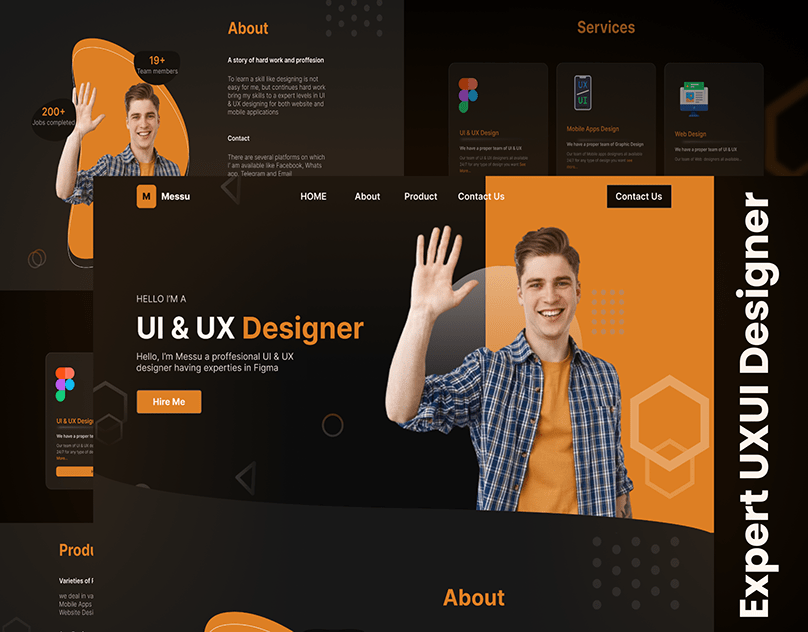
Building your first web design portfolio is a pivotal step in launching a successful design career. It’s more than just a collection of projects; it’s a powerful tool for showcasing your skills and securing opportunities. A well-crafted portfolio can effectively communicate your unique design approach to potential clients and employers. But many aspiring designers face challenges in creating a portfolio that truly represents their abilities. This guide meticulously walks you through the essential elements to build a compelling web design portfolio, overcoming the hurdles many designers encounter. This comprehensive guide covers the key elements, from project selection to presentation strategies, and will equip you with the tools to build a portfolio that stands out in a competitive market. Let’s explore what it takes to build a portfolio that converts! This article will provide a roadmap, walking you through each stage, offering practical advice and tips along the way.
Understanding the Significance of a Portfolio
Defining Your Portfolio
A portfolio is more than just a collection of projects; it’s a curated showcase of your best work that effectively communicates your skills, style, and creative abilities in web design to prospective clients and employers. Think of it as your digital resume—a powerful tool to project your expertise. A compelling portfolio demonstrates your design versatility and mastery over various web design aspects, attracting clients looking for talented designers.
Identifying Common Problems
Many beginners struggle with selecting appropriate projects, deciding on the right visual presentation style, and showcasing their skills effectively. The result often leads to a portfolio that lacks impact and doesn’t resonate with potential clients. This can often lead to missed opportunities and career stagnation, especially for recent graduates or those transitioning into web design.
Project Selection: Choosing Projects to Showcase
Curating Your Best Work
When selecting projects for your web design portfolio, focus on projects that highlight your core skills and demonstrate the impact you’ve created. Prioritize work that showcases your design process, innovative solutions, problem-solving abilities, and technical skills. A strong portfolio should contain projects that best reflect your design philosophy and aesthetic. Avoid including projects that are unfinished or negatively reflect your design vision. Focus on demonstrating your skills in a tangible way.
Types of Web Design Projects
Examples of projects you can feature in your portfolio include website redesigns, e-commerce solutions, branding and logo creation, landing page design, responsive design implementation, and more. Your portfolio shouldn’t only showcase the final product, but also the process and thought behind it.
Visual Presentation: Creating a Stunning Portfolio
Visual Design Principles
A visually appealing portfolio is crucial. Ensure that your portfolio site is easily navigable, and use high-quality images and screenshots. Maintain consistent branding across all sections, presenting a professional image. Consider using a modern and clean design that reflects the aesthetic style you want to project. Avoid cluttered layouts and complex navigation systems that can overwhelm visitors. The design should be user-friendly and accessible, highlighting your design skills in an optimal way.
Layout and Organization
Organize your portfolio logically with clear headings and descriptions for each project. Include details like project goals, user challenges, technologies used, and the design process. This allows potential clients to gain insight into your design thinking and problem-solving abilities. Include interactive elements, such as animations, and prototypes to enhance the overall experience. Incorporate a visual storytelling narrative throughout the portfolio, emphasizing the journey from concept to completion.
Technical Aspects: Essential Tools and Technologies
Choosing the Right Platform
Select a platform that allows you to showcase your work effectively and professionally, whether it’s a dedicated portfolio website or a platform like Behance or Dribbble. Consider factors such as customization options, user experience, and overall functionality when making your choice. A professional platform can increase trust in your portfolio and build credibility. Ensure your chosen platform is SEO friendly.
Optimization and Accessibility
Optimize your portfolio for search engines and ensure it’s accessible to all users, including those with disabilities. Good navigation ensures easy movement throughout your site and clear call-to-action strategies increase the conversion rate of potential clients.
Related Post : Highlighting Your Unique Skills and Expertise in Your Portfolio.
Creating a Compelling Narrative
Project Descriptions
Use concise, compelling project descriptions that provide context and highlight your accomplishments. Focus on the problem you solved, your approach, the results, and the impact on the user experience. Highlight the challenges and solutions you implemented in your projects.
Storytelling in Design
Use the narrative approach to tell the story of your project development and the thought process. Illustrate the design process, highlighting challenges encountered, solutions implemented, and the final impact of the work.
Highlighting your Best Work
Showcasing your design aesthetic
To create a visually attractive portfolio, choose high-quality images that effectively showcase your skills and design aesthetic. Optimize images for web viewing, and ensure your chosen images are copyright-free to prevent any legal issues.
Professional Storytelling
Professional storytelling can set you apart from other designers and make your portfolio more engaging. Use your story to highlight your design approach, your process, and your design philosophy to create a compelling narrative.
Portfolio Maintenance and Updates
Regular Updates
Keeping your portfolio up-to-date demonstrates your commitment to your craft and your dedication to growth. Include your latest projects, and refresh the design to remain current with trends. This can ensure potential clients are impressed by your ongoing dedication to innovation and growth.
Adaptability to Change
The web design landscape is constantly evolving. Stay updated with the latest industry trends and techniques to ensure your portfolio reflects your expertise and remains current.
Marketing Your Portfolio
Online Presence
Leveraging social media platforms is crucial for visibility and expanding your reach among design communities. Platforms like Behance and Dribbble can provide exposure. These platforms can be useful for social interaction and community building, attracting potential clients and employers.
Client Feedback
Seeking and incorporating client feedback can significantly improve your portfolio, and highlight your approach and solutions to common issues. This feedback can help refine your skills and identify areas for growth. Feedback can strengthen your understanding of client needs and requirements.
Case Studies: Real-World Examples
Analyze Successful Portfolios
Review successful designer portfolios as inspiration, learning from different approaches and styles in web design projects. Analyze their project selection, visual presentation, and overall narrative, making notes on what resonated and what could be improved. Imitate the best practices.
Learning from Mistakes
Study portfolios that didn’t perform well, noting possible reasons for underperformance. Analyze their weaknesses and identify strategies to avoid those same pitfalls in your portfolio design. Gaining insights from both successes and failures ensures your portfolio stands out in a competitive landscape and delivers maximum impact for prospective clients.
To summarize, building a compelling web design portfolio is a crucial step for showcasing your skills and securing opportunities. By meticulously curating your work, highlighting your strongest projects, and utilizing effective visual presentation strategies, you can effectively communicate your design expertise. Remember to keep your portfolio updated and responsive to changes in the design landscape. Ready to start crafting your masterpiece? Visit [website address] to learn more about web design services and portfolio creation strategies.