Difficulty seeing product details virtually is a significant obstacle in e-commerce today. Consumers often struggle to visualize products accurately, leading to decreased engagement and sales. This article explores the issue of difficulty seeing product details virtually, highlighting how enhancing image and zoom features can significantly improve the online shopping experience and boost sales. We will delve into strategies for optimizing image quality, implementing intuitive zoom tools, and utilizing emerging technologies like augmented reality. Furthermore, we will look at real-world examples of successful implementations and offer actionable steps to improve your own virtual product browsing.
The Importance of High-Quality Visuals in E-commerce
Visual Perception and Online Shopping
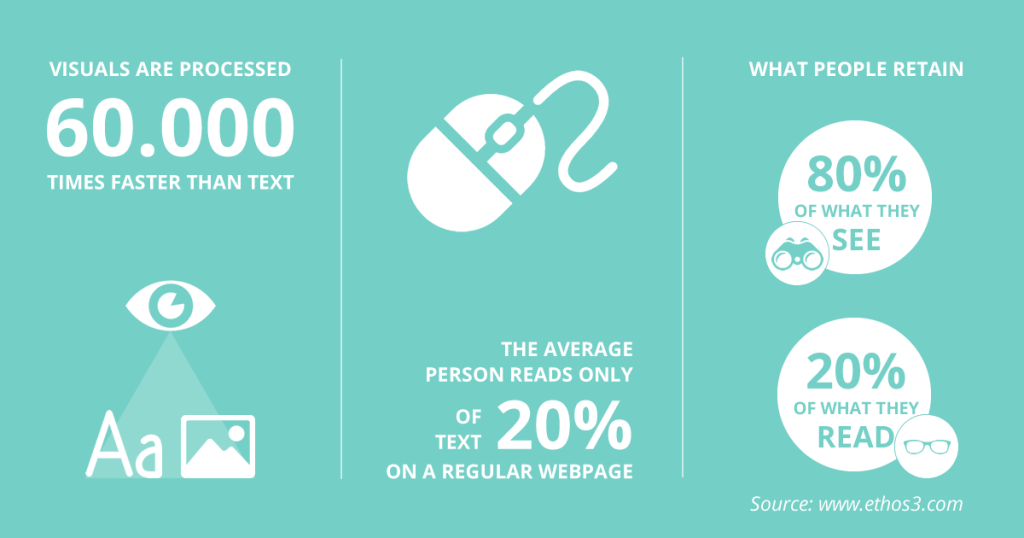
The modern online shopping landscape heavily relies on visual perception. Potential customers often form their first impression of a product based on its online representation. If these visuals are unclear or poorly rendered, customers may struggle to visualize the product accurately, leading to frustration and ultimately, abandoning the purchase. High-quality images showcasing the product’s features from various angles are crucial in overcoming this challenge and addressing the issue of difficulty seeing product details virtually.
Improving Visual Appeal
Enhancements in image quality, including higher resolution and better lighting, can significantly improve the perception of products. High-resolution images allow customers to examine details more clearly, fostering confidence in the product’s features and benefits. Clearer product images enable customers to get a holistic understanding of the item, such as color accuracy, fabric texture, or even fine details. Consider using professional product photography and meticulous image editing for optimal visual appeal.
Addressing Customer Pain Points
Understanding the issues customers face when viewing products virtually is paramount. Customers might struggle to accurately discern material, color, and product dimensions due to insufficient image quality or a lack of detailed view. This problem becomes even more pronounced when a product has complex features or intricate designs.
Related Post : Ignoring Customer Feedback in Virtual Store Design? Missing Opportunities.
Optimizing Zoom Functionality
Enhancing the Viewer Experience
The zoom functionality plays a vital role in bridging the gap between virtual and real-world product perception. A well-designed zoom feature allows customers to closely examine product details, addressing the issue of difficulty seeing product details virtually. A smooth and responsive zoom experience can enhance user satisfaction and build trust in the online platform.
Implementing Intuitive Zoom Features
Develop zoom features that are user-friendly and easily accessible. Provide multiple zoom options to suit different needs, like pinch-to-zoom or a dedicated zoom slider. Make sure the zoom functionality allows seamless transitions, preventing any jerky or distorted views when zoomed in or out. Implement a robust zoom feature that allows customers to explore all the minute product details without interruption. This allows customers to fully appreciate the products’ nuanced aspects and get a complete visual representation.
The Impact of Zoom on Sales
Studies have shown that customers are more likely to purchase products when they can thoroughly examine the details. Zoom functionalities can improve visual clarity, facilitating better product comprehension, which, in turn, drives purchasing decisions. Including high-quality zoom features can lead to a noticeable rise in conversion rates.
Leveraging Technology for Enhanced Visuals
Augmented Reality (AR) Integration
Augmented reality (AR) technology presents a novel approach to enhancing the virtual product experience. AR can allow customers to virtually place products within their own environment, offering a more realistic and immersive experience. This technology addresses the issue of difficulty seeing product details virtually by letting customers view the product from different perspectives and in various lighting conditions.
How AR Can Improve Visualization
With AR, users can visualize products in a three-dimensional format, potentially experiencing the product’s size and shape relative to their space. This method is effective because it gives customers a better understanding of the product’s form factor, design and how it will fit into their lives.
Case Studies and Examples
Several successful e-commerce platforms have demonstrated a significant impact of incorporating AR into their product visualization tools. For instance, companies that sell furniture frequently use AR to showcase how furniture will fit in a room. This interactive visualization addresses the uncertainty of purchasing items online.
Improving Image Quality and Resolution
High-Resolution Images for Better Clarity
Ensure all product images are in high resolution. High-resolution images eliminate pixelation and blurring, allowing for clear visualizations of the product’s details. The better quality of the picture, the more likely customers will appreciate the product and proceed to purchase it. Use high-quality cameras and lighting to produce high-resolution images.
Different Viewing Angles and Perspectives
Present a variety of images from different angles. Offer a detailed view of each product feature, showcasing its unique design elements from multiple angles. Images that present multiple angles and perspectives allow customers to fully comprehend the product’s aesthetics, design, and functionalities. Provide customers with the context and perspective to imagine the product in their everyday lives.
Optimizing Image Loading Speed
Optimized images with smaller file sizes can drastically improve loading times on e-commerce websites. This reduces the risk of customers abandoning the purchase. By prioritizing speed, e-commerce platforms ensure a seamless experience for users, thereby increasing engagement and sales.
User Interface (UI) Design Considerations
Intuitive Navigation and Interaction
The product display interface significantly impacts the online shopping experience. User-friendly navigation and clear interaction with product images are crucial. A clean and intuitive UI reduces the difficulty for consumers to understand and use the e-commerce platform.
Providing Clear Call-to-Actions
Strategic use of call-to-actions can lead to increased engagement. This could include prominent buttons for zooming, rotating images, or requesting additional information. The presence of easily visible buttons can guide customers to further explore the details of a product, which helps address the difficulty of seeing the product details virtually.
Accessibility for All Users
Ensure that your UI is accessible to all users, including those with disabilities. Consider features such as alternative text for images and support for assistive technologies.
In conclusion, enhancing virtual product image and zoom features is crucial for e-commerce success. Clearer, more detailed visuals lead to increased customer confidence, higher conversion rates, and ultimately, a better overall shopping experience. By investing in high-quality images and intuitive zoom tools, businesses can address the pain points associated with virtual product browsing and boost their sales. To further improve your virtual product browsing experience, consider exploring augmented reality (AR) integration for enhanced customer engagement. Read our detailed guide on this emerging technology here [link to your guide] or sign up for our newsletter to stay up-to-date on the latest trends in e-commerce.