Server-Side Rendering (SSR) is a powerful technique that has revolutionized the creation of modern web applications. By rendering your application’s content on the server before sending it to the client, SSR delivers a more performant and SEO-friendly user experience. This approach, integral to building robust and scalable applications, offers significant advantages in both performance and SEO optimization. However, many developers struggle to fully grasp the benefits and complexities of SSR within a full-stack context. This comprehensive guide delves into the intricacies of SSR, highlighting its advantages and challenges. We will explore its practical implementation, covering various frameworks and strategies. This article will help you understand how to implement SSR effectively within a full-stack architecture, maximizing performance and SEO optimization.
Understanding the Fundamentals of Server-Side Rendering
Core Concepts and Benefits
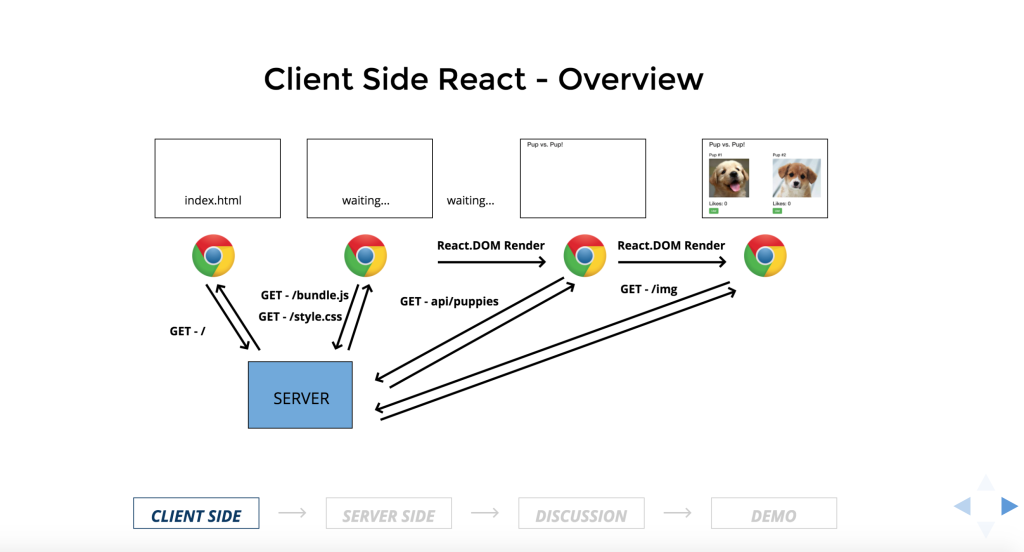
Server-side rendering (SSR) is a technique where the server generates the HTML for a webpage before sending it to the client’s browser. This contrasts with client-side rendering (CSR), where the browser dynamically creates the HTML. The critical advantage of SSR is that search engines can crawl and index the rendered HTML, leading to improved SEO rankings. Furthermore, it offers significantly improved initial load times. Users receive a fully rendered page almost instantaneously, resulting in a superior user experience, particularly on slower internet connections.
Optimizing SSR for Performance and Scalability
Implementing SSR Effectively
To optimize SSR for performance and scalability, developers should carefully consider factors like caching strategies and server-side resource management. Caching frequently accessed data can significantly reduce server load, while appropriate use of load balancers and scaling strategies ensure smooth operation during peak traffic periods. A well-optimized SSR setup can significantly improve the user experience by ensuring fast load times and a smooth user interface. For instance, a well-implemented SSR solution can improve website speed and potentially rank higher in search engine results, leading to increased organic traffic. Using caching mechanisms and intelligent load balancing are key strategies. An example is leveraging CDN to speed up content delivery across diverse geographic regions.
Implementing SSR with Modern JavaScript Frameworks
Practical Examples and Use Cases
Modern JavaScript frameworks like React, Vue, and Angular provide tools and functionalities to simplify the implementation of SSR. Libraries like Next.js for React and Remix for React offer robust built-in solutions for server-side rendering. Consider the following: With React, Next.js provides an excellent framework for implementing SSR. Developers can leverage Next.js’s API routes and app directory to manage server-side logic and rendering, delivering highly efficient and performant web applications. For Vue, similar techniques can be employed using dedicated SSR solutions for Vue, ensuring SEO and performance benefits for the front-end.
SEO Benefits of Using Server-Side Rendering
How SSR Impacts Search Engine Visibility
Server-side rendering directly enhances search engine optimization (SEO). Search engines can effectively crawl and index the rendered content, improving the website’s visibility in search results. This improved visibility translates into higher organic traffic, ultimately driving more engagement and conversions. Optimizing the server-side rendering process can dramatically increase the likelihood of a web page appearing in search results. This results in increased organic traffic, potentially improving revenue and customer acquisition.
Related Post : Navigating the Full-Stack Landscape: Balancing Front-End and Back-End Skills.
Balancing Performance with Complexity
Trade-offs and Considerations in SSR
While SSR offers significant advantages in terms of SEO and performance, there are also potential trade-offs to consider. Implementing SSR can involve added complexity in the development process and potentially increase initial server-side load if not implemented carefully. Careful planning and efficient implementation are key to leveraging the benefits of SSR without introducing significant overhead.
In conclusion, mastering server-side rendering (SSR) in a full-stack context is crucial for building high-performance, SEO-friendly, and user-friendly web applications. By understanding the various implementation strategies, optimizing the process, and considering the trade-offs between speed and complexity, developers can leverage SSR to create powerful applications that offer exceptional user experiences while maintaining website visibility in search results. For further learning, explore advanced techniques like serverless functions or edge computing and stay updated on the latest trends in front-end and back-end development. Ready to build your next amazing application? Let’s start.


