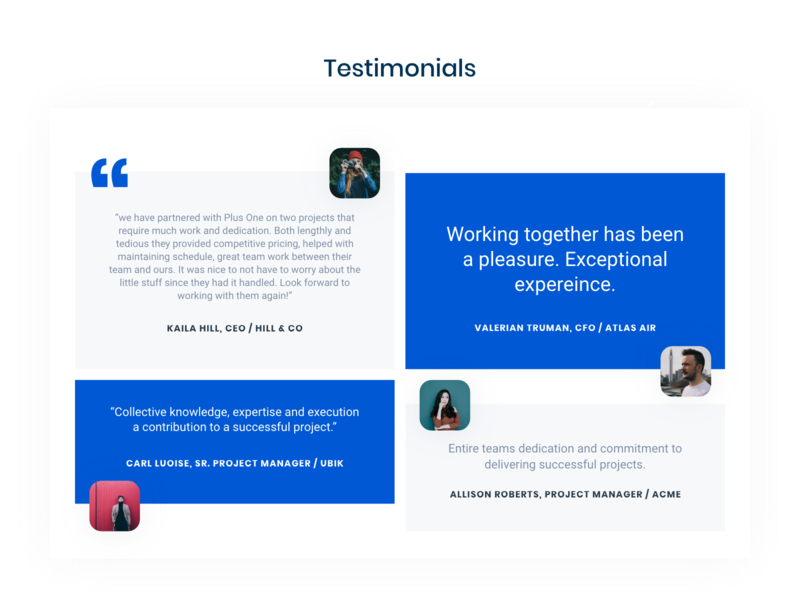
Including testimonials and social proof in your design portfolio is crucial for showcasing credibility and building trust with potential clients. A compelling portfolio isn’t just about showcasing beautiful designs; it’s about telling a story of success and trust. This article delves into the effective use of testimonials and social proof to enhance your design portfolio, helping you stand out and attract more clients. We’ll explore the key reasons why this strategy is so effective and provide practical steps to implement it effectively. This article will guide you through the process of incorporating impactful client testimonials and social validation into your portfolio. First, we’ll define what testimonials and social proof mean in a design context. Next, we’ll analyze the key issues clients often face when browsing design portfolios. Then, we’ll explore different types of testimonials and social proof, how to collect them effectively, and where to showcase them strategically within your portfolio. Finally, we will explore the overall impact of this approach.
Understanding Testimonials and Social Proof in Design
Defining Testimonials and Social Proof
Testimonials are direct quotes or statements from satisfied clients praising your design work. Social proof, on the other hand, encompasses various forms of evidence that suggests other people find value in your services or designs. This can range from positive reviews on platforms like Behance or Dribbble to social media engagement with your work. Testimonials and social proof are invaluable for building credibility and trust in a design context. Clients are more likely to trust a design service with a history of positive feedback and satisfied clients.
The Value of Social Proof in Design Portfolios
Social proof plays a critical role in influencing purchasing decisions. In a world saturated with design choices, showcasing that other individuals or businesses have found value in your designs helps establish trust and confidence. By emphasizing how others have benefited from your services or the positive impact of your work, you position yourself as a reliable and dependable designer. Positive client reviews from trusted sources act as powerful testimonials, effectively building trust with potential clients.
Addressing Common Portfolio Concerns
Many designers struggle with demonstrating their worth. Potential clients often have questions about the designer’s past projects and level of experience. Testimonials and social proof address these concerns, providing concrete evidence of the value you bring to a client. This transparent demonstration of your previous success stories builds trust and fosters a more confident approach to potential collaborations.
Related Post : Showcasing Your Process: Giving Clients Insight Into Your Workflow.
Gathering Compelling Testimonials
Identifying the Right Testimonial Types
The best testimonials are those that directly address the value you provide. Focus on testimonials that emphasize specific design outcomes, such as increased sales, improved brand recognition, or successful project completion. Don’t just collect any testimonial; focus on extracting specific quotes or stories that highlight the positive impact of your designs.
Strategies for Obtaining Effective Testimonials
Gathering testimonials is an active process that requires direct communication and effort. Send follow-up emails to satisfied clients, thanking them for their business and expressing interest in collecting their feedback. Use email templates with clear questions, including requests for specific project outcomes, challenges overcome, and overall impressions. Create clear instructions for clients to leave their reviews to build trust quickly.
Showcasing Client Stories
Instead of simply listing testimonials, weave them into your portfolio narrative. Provide context and background on each client. Create a story around the testimonial to create a stronger connection with potential clients. Visual elements, such as short videos or images, can elevate the client experience and help potential clients connect with your values and services.
Strategic Portfolio Integration
Placing Testimonials Strategically
Strategically place testimonials and social proof throughout your portfolio. This provides the potential client with a clear and concise overview of your credibility and experience. Place testimonials on individual project pages or a dedicated ‘Client Testimonials’ page to showcase the diverse experience you provide. Use images of happy clients to showcase different interactions and services.
Utilizing Visual Storytelling
Employ visual aids alongside textual testimonials. Use high-quality images or short videos to showcase client reactions and demonstrate the tangible benefits of your designs. This provides a more engaging experience for potential clients. This visual narrative can significantly improve the credibility of your portfolio and increase its impact.
Utilizing Different Platforms
Showcase testimonials across various platforms beyond your portfolio. Include social proof from platforms like Behance, Dribbble, or your personal social media accounts. Displaying positive feedback from multiple sources further reinforces your design capabilities and experience. Show testimonials in your online resume/profile to further boost portfolio effectiveness.
Measuring Impact and Optimization
Tracking Portfolio Performance
Track the engagement metrics of your portfolio to assess the impact of testimonials and social proof. Pay close attention to page views, dwell time, and conversion rates. Analyze which types of testimonials resonate most with potential clients. Use this data to refine your approach and tailor your portfolio to maximize its effectiveness.
Analyzing Client Feedback
Actively solicit client feedback and reviews. This will provide insight into your strengths and areas for improvement. Use this feedback to identify aspects of your services that resonate with your target audience, further improving your approach.
Optimizing Content and Visual Design
Continuously refine the presentation of your testimonials and social proof. Optimize the visual design to enhance the user experience. Consider using a professional-quality theme and color scheme for your website portfolio. Keep the text concise and easily digestible.
FAQs on Testimonials and Social Proof
What are the best platforms to obtain testimonials?
The best platforms to collect testimonials depend on your target audience. Consider your preferred client channels. Client-facing platforms provide a great source of feedback. Platforms like email, client surveys, or direct messages on social media can be valuable resources. Inquire about obtaining positive responses, or feedback, on past projects through your preferred channels.
How can I include testimonials and social proof in my portfolio?
Testimonials and social proof can be effectively incorporated into your portfolio through diverse methods. For example, include direct quotes on individual project pages. Consider adding testimonials on a dedicated page that showcases previous positive client experiences. You can create an entire section, dedicated to highlighting client testimonials or case studies. Displaying this information in an engaging way, using high-quality images and video content, will maximize your portfolio’s impact.
In conclusion, incorporating testimonials and social proof in your design portfolio is a powerful strategy to boost credibility, build trust, and ultimately attract more clients. By showcasing authentic client experiences and positive social validation, you position yourself as a reliable and sought-after designer. Remember to choose the right platforms and testimonials that genuinely reflect your design services and target audience. Implementing these tactics strategically will significantly impact your portfolio’s effectiveness and contribute to your success as a designer. Now, it’s time to put these tips into action and start seeing positive results! Contact us for a free consultation to discuss your portfolio and unlock its potential.


