Future Trends in Web Development Services are poised to reshape the digital landscape, demanding adaptation and innovation from web developers worldwide. The digital evolution is accelerating, and web development services must adapt to meet these shifting needs. This article delves into the transformative trends shaping the future of web development, identifies challenges, and outlines actionable strategies for success. We’ll examine exciting innovations like AI, the metaverse, and mobile-first design, and explore how these developments impact web development services. This in-depth exploration covers the core trends, practical applications, and actionable insights for web developers and businesses seeking to stay ahead of the curve.
The Rise of Artificial Intelligence in Web Development
AI-Powered Automation and Efficiency
AI is revolutionizing web development, impacting everything from design and coding to content creation. AI-powered tools are automating mundane tasks, significantly boosting efficiency for developers. For example, tools can generate basic code, suggest optimal layouts, and even provide initial drafts of website copy. AI assistance is becoming increasingly common in code generation tools and design platforms, streamlining the workflow and allowing developers to focus on more intricate and creative aspects of their projects. By leveraging AI assistance, web developers can significantly cut down on development time and increase productivity.
The Impact of AI on Design and User Experience
AI algorithms are also increasingly used to analyze user behavior and tailor web design to optimize user experience (UX). By analyzing website traffic and user engagement data, AI can predict user needs, enabling developers to create user interfaces that are truly intuitive and responsive. For instance, personalized recommendations, dynamic content generation, and adaptive layouts are all possible thanks to AI insights. This user-centric approach ensures that websites are not just functional, but also highly engaging and intuitive for their target audiences.
The Metaverse and its Web Development Implications
Immersive Experiences and New Design Paradigms
The metaverse, a shared virtual world, presents novel opportunities for web development. Developers must craft immersive, interactive experiences that transcend traditional web paradigms. Building virtual worlds, designing avatars, and developing tools for interaction are just some examples of how the metaverse is shaping the future of web development services. Creating engaging experiences for users in virtual spaces is crucial in this exciting new frontier.
Integrating AR/VR Technologies
The integration of augmented reality (AR) and virtual reality (VR) technologies is integral to the metaverse experience. Web developers need expertise to bridge the gap between the physical and digital realms through innovative design and development practices. For instance, creating virtual storefronts, 3D model viewers, and immersive training simulations are only a few examples of the transformative impact of AR and VR technologies in web development.
Mobile-First Design and Responsive Web Development
Optimizing for Mobile-First Experiences
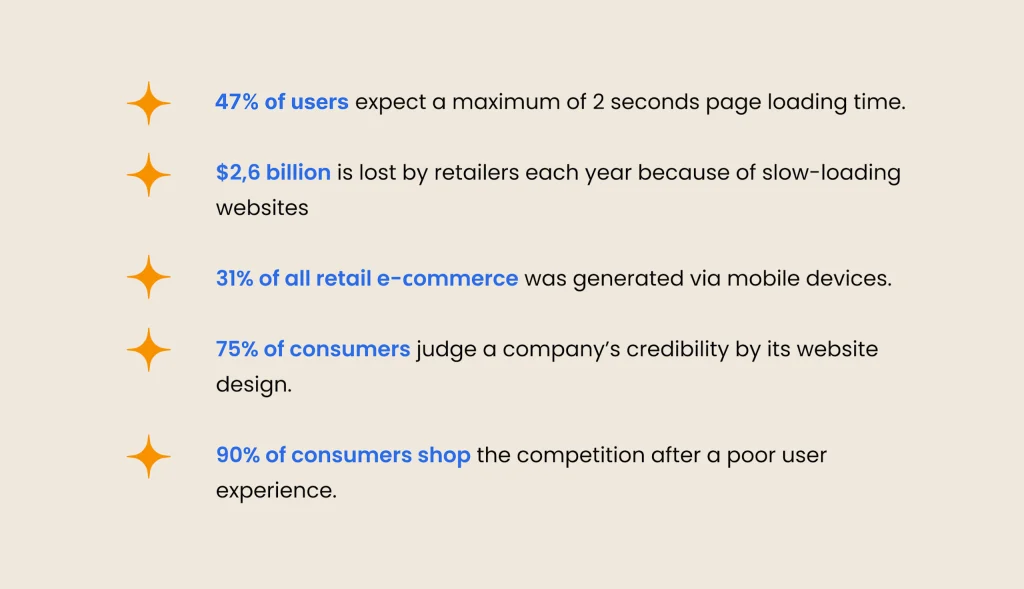
The prevalence of mobile devices has led to a shift in web development. The mobile-first approach prioritizes a seamless user experience across various devices, including smartphones and tablets. Mobile-first web design emphasizes a simple and efficient user interface that adapts easily to different screen sizes and orientations. This means web developers must be adept at creating responsive designs that provide optimal browsing experiences across diverse devices.
Challenges and Strategies
Designing for mobile-first experiences presents challenges that include ensuring sufficient page load times and responsive design for various screen sizes and orientations. Effective strategies often involve using CSS frameworks, optimizing images, and utilizing progressive web apps (PWAs). A responsive design approach is no longer optional; it’s a necessity to meet the expectations of users navigating the web on a multitude of devices.
Security and Ethical Considerations
Building Secure Web Applications
Security is paramount in the realm of web development. Developing secure web applications involves implementing robust security measures at every stage. This encompasses measures such as proper authentication, authorization, and data encryption to prevent unauthorized access and protect user data from malicious attacks. Web development firms should implement regular security audits to maintain compliance with evolving security standards and identify vulnerabilities.
Related Post : Website Security Services: Protecting Your Online Assets.
Accessibility and Inclusivity
Designing for Diverse Users
Developing accessible websites is crucial for catering to a diverse audience with varying needs and abilities. Web developers must prioritize inclusivity, incorporating principles of accessibility to ensure that all users can easily access and interact with web content. Web development must embrace accessibility standards and guidelines.
In conclusion, the future of web development services is brimming with exciting possibilities driven by emerging technologies and trends like AI, the metaverse, and the rise of mobile-first design. Web developers need to adapt and embrace these innovations to stay competitive and deliver high-quality solutions. By prioritizing user experience, integrating cutting-edge technologies, and focusing on accessibility, web development companies can successfully navigate the evolving landscape and cater to the demands of tomorrow’s users. Dive deeper into these trends to ensure your web development services are future-proof. Visit [website address] for more insights.


