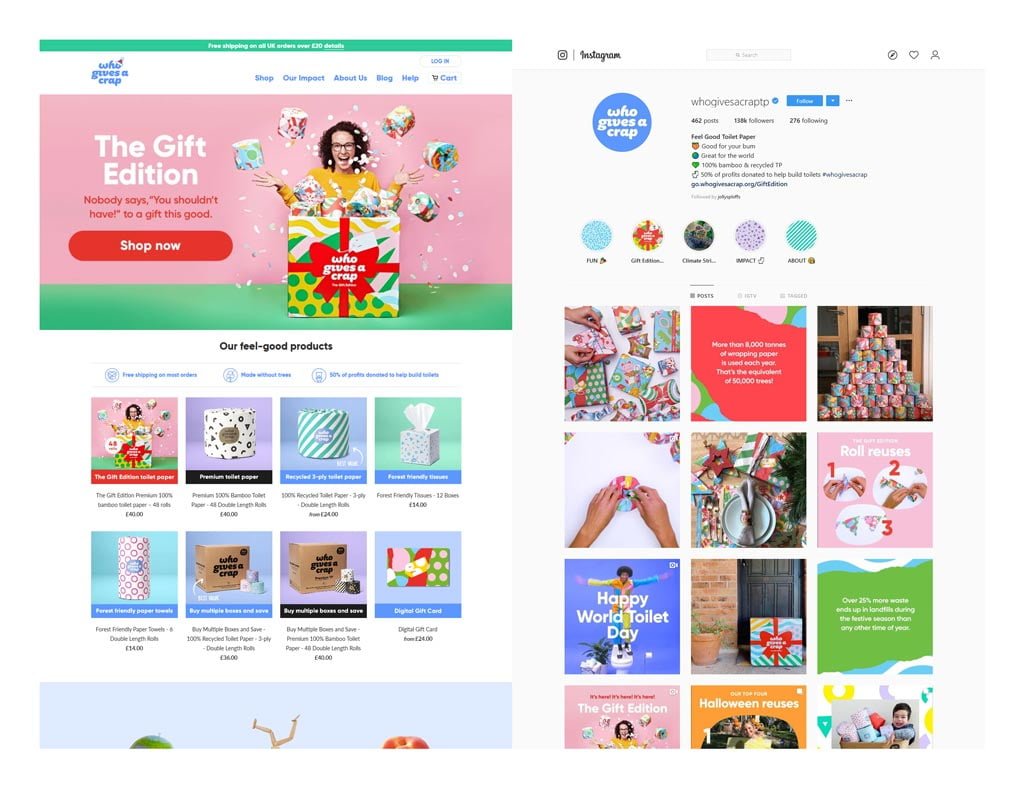
A corporate website that doesn’t reflect your brand can severely damage your company’s image and hinder your business growth. A visually appealing and consistent brand identity across all platforms is essential for building brand recognition and trust among customers. In this comprehensive guide, we’ll dissect how a company’s website visual identity should align with its overall brand. We’ll explore the common pitfalls, present actionable strategies, and discuss how to achieve a consistent visual identity across all channels. This detailed guide covers crucial areas like logo usage, color palettes, typography, and imagery. Let’s begin!
Understanding the Importance of Brand Consistency
Why Visual Identity Matters
A strong visual identity builds recognition and fosters trust. When your website seamlessly integrates with your overall brand, customers feel confident interacting with your business. Brand consistency establishes a strong first impression and builds recognition. This is critical in today’s competitive market, where a cohesive brand experience sets companies apart and drives customers. A well-crafted visual identity resonates with your target audience, reinforcing brand values, and fosters a lasting connection.
The Impact of Inconsistent Branding
Related Post : Corporate Website Not Generating Leads? Identifying Design Issues Affecting Conversions.
Conversely, a lack of consistency can create confusion and undermine your brand’s credibility. A website that clashes with your overall brand identity will send mixed signals to potential clients, and may make them question your professionalism. Potential customers may perceive your company as unprofessional or disorganized. Inconsistent branding can create a disconnect between your brand values and your website presentation, hindering brand loyalty and potentially driving away customers.
Aligning Website Design with Brand Guidelines
Creating a Unified Visual Language
Consistent branding begins with well-defined brand guidelines. These guidelines act as a roadmap, providing specific instructions on how your brand should be presented visually. These guidelines dictate the use of your logo, typography, color palette, and imagery across all platforms, including your website. Consistency across different platforms strengthens brand perception and facilitates recognition.
Implementing Brand Guidelines on Your Website
Your website should flawlessly reflect your brand’s visual identity. Implement your brand guidelines by meticulously selecting fonts, colors, and imagery that align perfectly with your brand. A unified color scheme will foster consistency between your website and other branding materials. This cohesion across different platforms is essential for building a strong brand identity.
Example: Consider a company known for its modern and innovative products. Their website should feature clean, uncluttered designs, sleek typography, and high-quality images, reflecting this innovative ethos. In contrast, a company focusing on traditional values might use warm colors, classic typography, and imagery that evokes those values.
Content Alignment and Brand Voice
Crafting Compelling and Consistent Narratives
Beyond visual elements, your website content must echo your brand’s tone and voice. The language you use, the stories you tell, and the overall message should resonate with your brand identity. Consider your target audience and tailor your message accordingly. A consistent brand voice cultivates trust and makes your company more recognizable.
Maintaining Brand Voice in Website Content
To achieve this, establish a clear brand voice guideline that includes the preferred language style and tone for all web content. Whether formal or informal, this voice should be reflected in all aspects of the website, including website copy, blog posts, and social media interactions. For example, if your brand is known for its friendly and approachable nature, your website’s language should reflect this.
Example: A financial institution known for its dependability might use formal, concise language on its website. However, if the same financial institution used informal language, the brand’s essence might be diluted or misconstrued.
Website Navigation and User Experience
Creating a Seamless and Intuitive Experience
The layout and navigation of your website play a crucial role in enhancing user experience. A well-organized and intuitive website makes it easier for customers to find what they need and creates a positive impression. Seamless navigation is important for creating a positive user experience.
Optimizing Your Website for User Engagement
Ensure your website’s structure, sitemaps, and navigation menus are intuitive and easy to navigate. A clear site hierarchy helps visitors quickly find information and contributes to overall usability. Ensure consistency between your website’s design and navigation. Visitors should easily comprehend how to navigate your website and locate resources. For instance, the website layout should be uniform across all pages and include clear calls to action.
Case Studies and Real-World Examples
Analyzing Successful Branding Strategies
Successful companies often leverage consistent branding strategies for significant competitive advantages. By examining successful brands, we can identify successful methods for achieving a consistent brand identity. Studying these brands helps us understand best practices and identify valuable lessons.
Implementing Proven Techniques
For example, consider how companies like Apple or Nike successfully cultivate brand recognition through consistent visual identity across their product offerings, websites, and marketing materials. Their brand consistency strategies serve as an excellent reference for businesses.
In conclusion, a corporate website that accurately reflects the brand’s visual identity is crucial for building trust and credibility with customers. Consistent branding across all platforms—from the website to social media—strengthens brand recognition. By addressing the specific design, content, and navigation issues, companies can achieve a harmonious visual identity. This, in turn, fosters a strong connection with their target audience and ultimately drives business growth. To embark on this journey, consider seeking professional design advice. Consult with design experts to craft a unified and captivating brand experience. This will pay dividends in brand loyalty and attract new customers.


