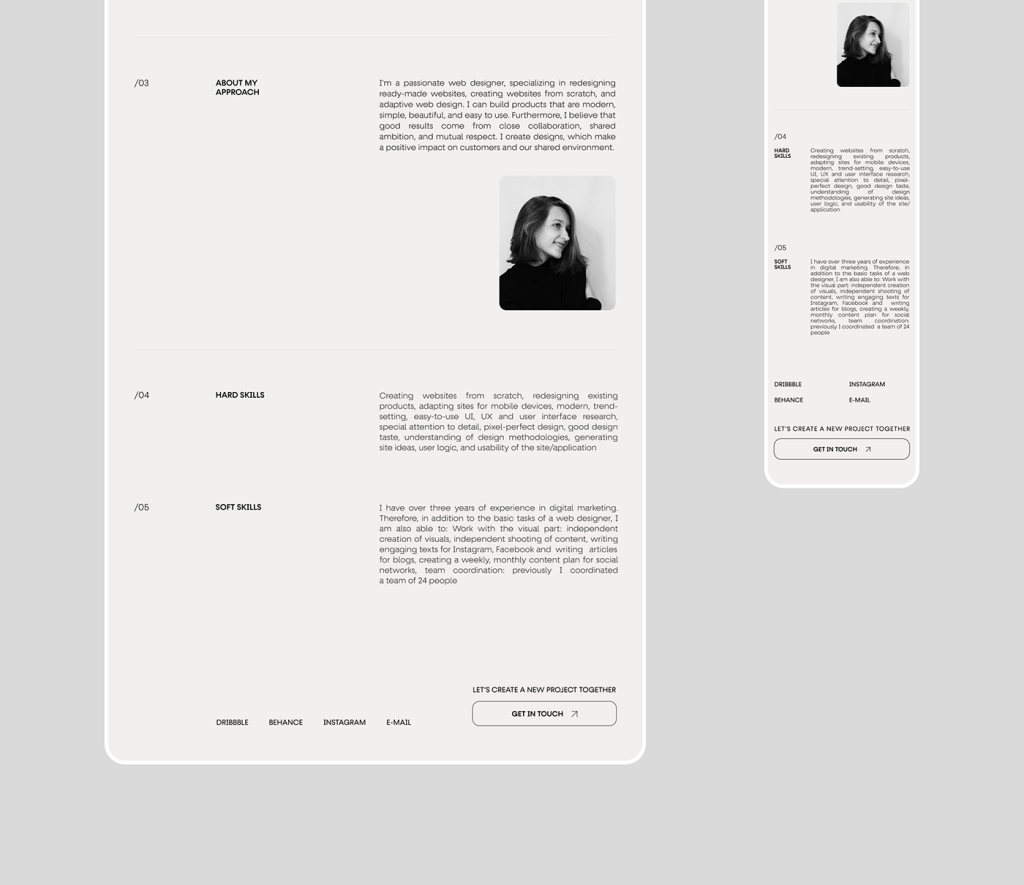
Getting feedback on your web design portfolio is essential for improvement and growth. A well-crafted portfolio showcasing your best work can be a powerful tool in securing clients and showcasing your expertise. However, simply creating a portfolio is not enough—you need to solicit feedback and iterate to truly optimize it for success. This comprehensive guide will walk you through strategies to effectively gather feedback, analyze it, and iterate on your portfolio to create a powerful showcase of your abilities. We’ll explore various methods for getting feedback, from direct client requests to online critiques. We’ll also delve into the crucial process of incorporating feedback and iterating on your designs to make your portfolio a real asset for showcasing your web design skills.
Understanding the Importance of Feedback
The Power of External Perspectives
Gathering feedback is not just about seeking validation; it’s a fundamental aspect of continuous improvement. A fresh perspective can often highlight areas of your portfolio that you may have overlooked. Potential clients are looking for a portfolio that demonstrates not just technical skill, but also your ability to understand their needs. Constructive criticism, therefore, helps to align your portfolio content with the desires of potential clients. A portfolio without feedback is like a car without a driver—it’s going somewhere, but not necessarily where you want to go. In the context of showcasing your work in a web design portfolio, this process of feedback and iteration is critical for optimization. This is particularly vital in securing clients and highlighting your technical ability and understanding of client needs. If your portfolio isn’t tailored to reflect potential clients’ needs, it could be missing an important opportunity to present your skills effectively.
Identifying Areas for Improvement
Feedback isn’t just about finding flaws; it’s also a powerful tool for identifying strengths. Through constructive feedback, you can strengthen aspects of your design process. By understanding what resonates with potential clients, you can refine your portfolio to be a truly effective tool. Identifying weaknesses and strengths within your portfolio is critical for highlighting and capitalizing on your talents and strengths within the design space.
Implementing Effective Feedback Collection Strategies
Diversifying Your Feedback Sources
To get a comprehensive understanding of your portfolio, it’s essential to collect feedback from diverse sources. While client feedback is invaluable, seeking input from fellow designers, mentors, or even online critique groups can offer fresh perspectives and constructive suggestions. Consider creating a dedicated feedback form to structure and gather feedback in a more organized manner. You can also host a workshop or webinar where fellow designers can provide feedback, and where you can interact with potential clients to understand their expectations and tailor your portfolio.
Iterating on Your Portfolio Design
Adapting Your Portfolio Based on Feedback
This is where the true value of gathering feedback comes into play. Implementing constructive criticism into your design is crucial to refine your portfolio and effectively use design feedback. This is the crucial stage where you refine and adapt your portfolio to meet the needs of potential clients. Analyze the feedback to identify patterns and areas that consistently receive positive or negative responses. Addressing these points directly can significantly improve the overall perception and appeal of your portfolio. Look for trends and common suggestions to identify common elements needing improvement. Iterating on your design based on feedback will improve your chances of connecting with prospective clients, ultimately improving your professional reputation and portfolio presentation.
Analyzing and Prioritizing Feedback
Identifying Key Patterns and Trends
After collecting feedback, take the time to analyze it thoroughly. Look for recurring themes and patterns in the comments. What aspects of your portfolio are praised consistently? What suggestions are made repeatedly? Pinpointing common threads will help you prioritize which changes will have the largest impact. Focusing on high-impact feedback will maximize the effectiveness of your portfolio iterations.
Related Post : Tailoring Your Web Design Portfolio to Specific Job Applications.
Communicating Effectively to Gain Insights
Building Relationships and Collaboration
Feedback should be a two-way street. Create an environment where you can actively engage with feedback providers. Ask questions to understand the reasoning behind their suggestions and provide context for your design choices. Actively listening to the feedback is key to incorporating it effectively into your design process. If possible, arrange for an in-person critique, as this can help clarify concerns and provide a richer understanding of each client’s or colleague’s point of view.
What if I get conflicting feedback?
Conflicting feedback is a common occurrence, but it shouldn’t be discouraging. Seek clarification on contradictory feedback. Ask for specific examples to understand the source of the disagreement and identify potentially overlooked nuances. By thoroughly considering diverse perspectives, you can develop a more nuanced approach for incorporating feedback in the future.
How can I present my design iterations effectively?
Document your iteration process in a portfolio update, showcasing the evolution of your design and the way feedback has been implemented. Use before-and-after comparisons and explanations for changes, emphasizing the effect of incorporating feedback into the final design.
How often should I solicit feedback?
Solicit feedback on your portfolio regularly; you don’t need to wait until you have a complete portfolio to get feedback. Gathering feedback on each design iteration and working with potential clients for an effective presentation is an important part of showcasing and refining your work.
The Benefits of Portfolio Iteration
Building Credibility and Confidence
Iterating on your portfolio based on feedback builds both your credibility and confidence. By actively seeking feedback, you demonstrate a willingness to learn and grow, showcasing your commitment to excellence in the web design industry. Feedback demonstrates your flexibility and adaptability in addressing client needs. This approach builds trust and demonstrates a proactive attitude, which can be a deciding factor for potential clients choosing you over your competitors.
In conclusion, gathering feedback on your web design portfolio and iterating on it is a crucial part of the design process. By implementing the strategies outlined in this article, you can effectively improve your portfolio, gain valuable insights, and ultimately build a more successful web design career. Don’t be afraid to solicit feedback early and often, and always be open to adapting your portfolio based on the feedback received. This ongoing process of refinement will make your portfolio a more effective tool for showcasing your skills and attracting clients. Now, go out there and showcase your best work! Use this actionable feedback to iterate, refine, and build your web design portfolio!