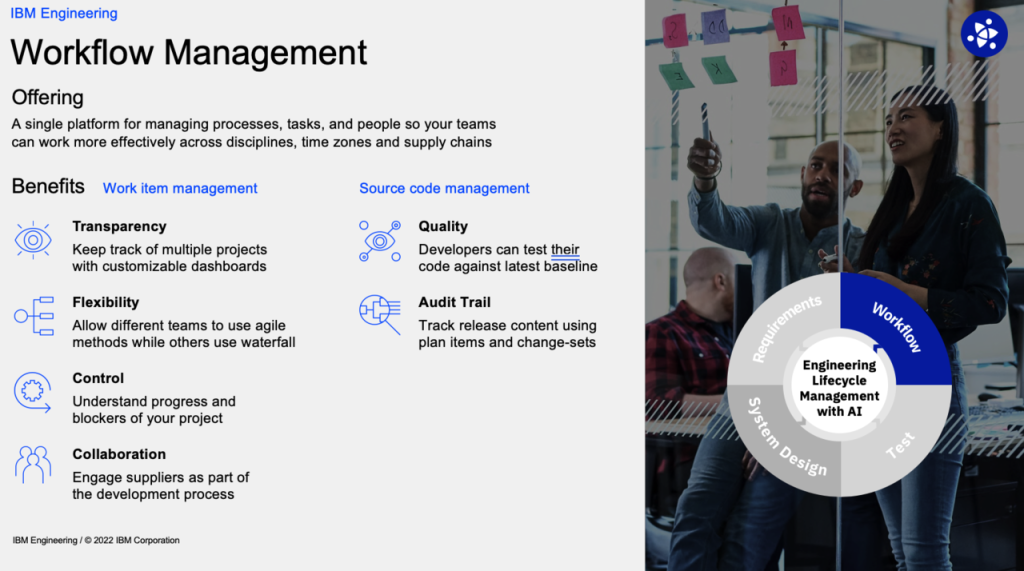
Showcasing your process is paramount to building trust and rapport with clients. It’s not just about what you create; it’s about how you create it. Effective communication of your workflow builds transparency and fosters a deeper understanding of the project’s journey. Clients who understand your process are more likely to trust your expertise, anticipate potential issues, and ultimately, be more satisfied with the final product. This article outlines crucial steps to effectively showcase your process, helping you enhance client communication and increase project success rates. We will cover everything from defining your process steps to creating visual representations of your workflow to provide a complete overview of project execution and transparency. This article will be structured in a way to be easily digestible with several concrete examples throughout. The format will include a breakdown of key aspects, addressing the concerns of both new clients and established ones. This includes practical tips, and the use of visuals. Let’s get started!
Defining Your Workflow: Laying the Foundation for Transparency
Understanding Your Process
Clearly defining your workflow involves meticulously outlining the sequential steps, roles, and responsibilities involved in your process. This meticulous process breakdown ensures every element contributes to the project’s overall success, fostering a clearer path for all stakeholders. Identify the critical stages and analyze the interdependencies between tasks. Detailed documentation not only clarifies what needs to be done, but also allows you to establish timelines for each stage, a vital aspect of transparency. An extremely useful tool in this process is a flow chart or similar visual representation. This visualization will prove invaluable in showcasing all the steps.
Visualizing the Workflow
Related Post : Crafting a Compelling Web Design Portfolio That Lands Clients.
A comprehensive workflow visualization is essential for effective communication. Visual tools, such as flowcharts, diagrams, or even Gantt charts, are crucial for conveying the intricate processes involved. This visualization provides a clear, concise overview of the workflow’s intricate details, making it simpler for clients to understand the stages involved, potential delays or roadblocks, and the overall time commitments involved in each step. This makes the process more transparent and helps clients build trust in your method.
Communicating Your Process to Clients: Building Trust and Transparency
Choosing the Right Communication Channels
The way you communicate your process should be carefully tailored to each client’s needs and preferences. For instance, a detailed written report might be ideal for a client who appreciates meticulous documentation. Conversely, a visual presentation, such as a flowchart, might be more effective for visual learners. Understanding each client’s personality type and preferences is vital. Tailoring your communication to the client ensures that the process is understood and not merely accepted. This will build trust with the client.
Addressing Potential Client Concerns
Proactive communication is key in addressing concerns upfront, building trust in your team. By anticipating potential questions or hesitations, you can establish a positive and supportive working relationship. Acknowledge the client’s concerns and outline your process in a way that demonstrates a comprehensive approach. Anticipating and addressing questions minimizes the possibility of confusion.
Utilizing Technology for Enhanced Workflow Transparency
Project Management Software
Utilize project management tools to enhance workflow transparency. Project management software provides a central platform to document and share updates, progress, and milestones. This creates an organized system where all involved can access and track the process’s progress, fostering collaboration and shared understanding. Platforms such as Trello, Asana, or Monday.com can greatly simplify the process. The advantage here is shared access to documents and data.
Sharing Progress Updates
Regular progress reports not only keep clients informed but also foster trust and transparency. Establish clear communication channels to keep clients apprised of progress at predefined intervals. This ongoing communication demonstrates your commitment to keeping the client up-to-date and ensures any roadblocks are addressed quickly and efficiently.
Showcasing Success Stories: Demonstrating Value
Real-World Examples
Highlight past projects that successfully utilized your process. Including case studies provides tangible evidence of your methodology’s effectiveness. These testimonials showcase the positive impact your process has had on past clients, demonstrating its practicality and positive outcomes. This approach generates credibility and inspires confidence.
Quantifiable Results
If available, include quantifiable results from past projects. For example, demonstrate how a clear process improved efficiency or reduced project timelines. This data-driven approach strengthens the credibility of your process, showcasing quantifiable value to potential clients.
Adaptability and Flexibility in Your Process
Evolving Your Workflow
Be prepared to adapt your process based on client feedback and new information. Acknowledging the importance of flexibility ensures that your workflow is constantly improving based on real-time insights. Open communication is critical to understand adjustments needed from a client’s perspective.
Responding to Changes
A flexible process allows you to respond swiftly to changing circumstances or client needs. This proactive approach maintains efficiency and prevents potential issues by remaining adaptable.
In conclusion, showcasing your process is crucial for building trust and transparency with clients. By providing insight into your workflow, you demonstrate professionalism, expertise, and a commitment to quality. This transparency fosters stronger client relationships, encourages project success, and ultimately positions you as a valuable partner. Remember to clearly communicate your process in a digestible format, highlighting key stages, expected timelines, and potential challenges. To further improve your client interactions, consider implementing project management software or a dedicated workflow document. Now, let’s take a look at some frequently asked questions on this topic.