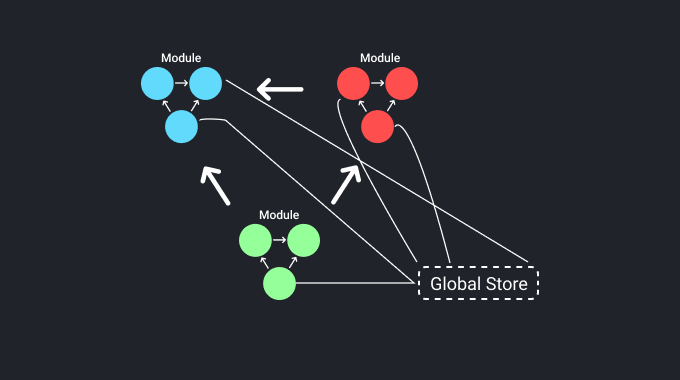
Managing front-end project complexity with modular architectures is paramount for modern web development. Complex front-end projects often lead to tangled codebases, making maintenance and updates a nightmare. Thankfully, modular architectures offer a solution, promoting clean code, efficient collaboration, and improved development time. This article explores how to effectively manage front-end project complexity using modular architectures, addressing common challenges and providing practical strategies for implementation. We’ll cover everything from defining modularity to building reusable components, emphasizing the benefits of this approach for web development projects of any size. This structured guide will walk you through the core concepts, offering examples and insights to transform your front-end development process.
Understanding the Need for Modular Architectures
Defining Modularity in Front-End Development
Modular architectures in front-end development involve decomposing a large application into smaller, self-contained, and reusable components. This approach promotes a clear separation of concerns, making it easier to manage and maintain the codebase as the project grows. Each module focuses on a specific functionality or feature, reducing dependencies between different sections of the code and fostering better code organization. Modern front-end frameworks like React, Angular, and Vue.js, are inherently designed to embrace component-based architecture, highlighting the significance of this concept.
Common Front-End Project Complexity Challenges
A primary challenge in managing front-end projects is their inherent complexity. As applications evolve, they often grow in size and scope, introducing more features and functionalities. A poorly-structured project can lead to a tangled web of dependencies, making updates difficult and error-prone. This complexity can impact both development speed and the overall maintainability of the application. Communication barriers between developers can also compound these challenges and impact timelines.
Implementing Modular Design Principles
Breaking Down Functionality into Modules
Effective modular design begins with carefully identifying the core functionalities of the application. Divide the application into distinct modules, each responsible for a specific piece of the user interface or functionality. This modular approach provides enhanced organization, making the code easier to understand and maintain. This allows for easier maintenance and reduces the risk of bugs or inconsistencies.
Building Reusable Components
Create reusable components for common UI elements. A button, input field, or navigation bar are all examples of components that could be re-used throughout the application. Creating well-defined, reusable components can greatly accelerate development. This approach is a core principle of modular design. Consider these components as building blocks, enabling you to efficiently construct different parts of the application.
Related Post : Improving Website Performance: Optimizing Front-End Code for Speed.
Leveraging Front-End Frameworks for Modularity
Using Component-Based Architecture in Frameworks
Front-end frameworks, like React, Angular, and Vue.js, provide excellent support for component-based architecture. Utilize these frameworks’ features to break down your application into reusable components. By employing tools like component libraries, teams can standardize and streamline the development process. The modularity inherent in these frameworks promotes code maintainability and reduces complexity.
Benefits of Utilizing Front-End Frameworks for Project Management
Consider the potential benefits of using front-end frameworks. Frameworks offer a plethora of pre-built components, reusable code, and best-practices. They enforce a standardized approach to development, resulting in more consistent and maintainable code. By using these frameworks, teams can more easily collaborate on development and maintain the code base over time.
Testing and Maintaining Modular Code
Implementing Robust Unit and Integration Tests
Employ a rigorous testing strategy, including unit tests for each individual component and integration tests for interactions between components. This practice helps ensure that each module functions correctly and reduces the likelihood of introducing bugs. This process is essential for ensuring the project stays on track and aligns with its goals.
Streamlining Maintenance and Updates
Modular architectures simplify maintenance and updates. When bugs or features require updates, you only need to modify the specific module. Changes don’t ripple through the entire codebase. With modular architectures, teams can address changes with minimal disruption, maintaining efficiency in development. This approach also enhances collaboration.
Case Studies and Examples of Modular Architectures
Real-World Applications of Modular Front-End Design
Consider case studies where modular architectures have proven successful. Analyze how modularity has improved code maintainability and reduced development time. Such case studies showcase the effectiveness of this approach in tackling complex issues in front-end project management. Successful case studies can provide valuable insight and inspire solutions for future development efforts.
Practical Examples of Implementing Modular Components
Present practical examples, illustrating specific components of an application built using modularity. Describe how the code is structured and how modules interact with each other, highlighting the benefits of this approach. By analyzing these examples, developers can easily understand the concept and its implementation.
In conclusion, managing front-end project complexity with modular architectures is a crucial skill for modern web developers. By strategically employing modularity, teams can improve code maintainability, enhance collaboration, and reduce development time. Adopting these strategies will unlock the potential for creating robust, scalable, and maintainable front-end applications. To delve deeper into these concepts, consider exploring further resources, or embarking on practical application exercises. By putting these principles into practice, you can cultivate a high level of proficiency in managing front-end project complexity, thereby maximizing efficiency and productivity.