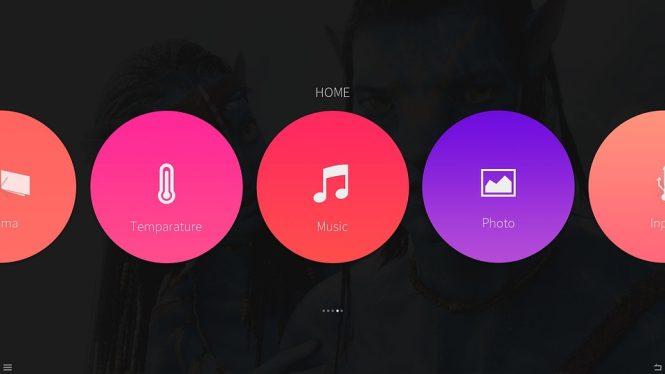
The Next Big Thing in UI: Why Neumorphism is Captivating Designers and Users Alike
The world of user interface (UI) design is constantly evolving, with new trends and styles emerging all the time. One of the latest and most captivating trends to take the design community by storm is Neumorphism. This innovative design style has been gaining popularity rapidly, and it’s not hard to see why. In this article, we’ll delve into the world of Neumorphism, exploring what it is, its key characteristics, and why it’s becoming the next big thing in UI design.
What is Neumorphism?
Neumorphism is a design style that combines the principles of skeuomorphism and minimalism to create a unique and captivating visual language. The term “Neumorphism” comes from the Greek word “neuma,” meaning “sign” or “token.” This style is characterized by the use of soft, rounded shapes, subtle shadows, and a mix of 2D and 3D elements. Neumorphism aims to create a sense of depth and dimensionality on a flat screen, making interactions feel more tactile and engaging.
Key Characteristics of Neumorphism
So, what sets Neumorphism apart from other design styles? Some of the key characteristics of Neumorphism include:
- Soft, rounded shapes: Neumorphism features soft, rounded shapes and lines, which create a sense of approachability and friendliness.
- Subtle shadows: Subtle shadows are used to create a sense of depth and dimensionality, making elements appear as if they’re floating on the screen.
- Mix of 2D and 3D elements: Neumorphism combines 2D and 3D elements to create a sense of visual interest and depth.
- Pastel color palette: Neumorphism often features a pastel color palette, which adds to the soft and calming atmosphere of the design.
- Minimalist approach: Despite the use of 3D elements, Neumorphism is characterized by a minimalist approach, with a focus on simplicity and clean lines.
Why Neumorphism is Captivating Designers and Users
So, why is Neumorphism becoming the next big thing in UI design? Here are a few reasons:
- Unique visual language: Neumorphism offers a unique and captivating visual language that sets it apart from other design styles.
- Tactile experience: The use of subtle shadows and 3D elements creates a sense of tactility, making interactions feel more engaging and immersive.
- Emotional connection: Neumorphism’s soft, rounded shapes and pastel color palette create a sense of approachability and friendliness, making users feel more connected to the interface.
- Flexibility: Neumorphism can be applied to a wide range of design applications, from mobile apps to web interfaces and even physical products.
- Innovative storytelling: Neumorphism offers a new way to tell stories and convey information, making it an exciting and innovative way to approach UI design.
Real-World Examples of Neumorphism
Neumorphism is already being used in a variety of real-world applications, including:
- Mobile apps: Neumorphism is being used in mobile apps, such as social media platforms and gaming apps, to create a more engaging and immersive user experience.
- Web interfaces: Neumorphism is being used in web interfaces, such as websites and web applications, to create a more modern and sophisticated look and feel.
- Product design: Neumorphism is being used in product design, such as smart home devices and wearables, to create a more tactile and user-friendly experience.
Conclusion
Neumorphism is the next big thing in UI design, and it’s easy to see why. Its unique visual language, tactile experience, and emotional connection make it a captivating and innovative way to approach UI design. As designers and users alike continue to explore and experiment with Neumorphism, we can expect to see even more exciting and innovative applications of this design style in the future. Whether you’re a designer looking to stay ahead of the curve or a user looking for a more engaging and immersive experience, Neumorphism is definitely worth exploring.